
13+ Weird Majors That Will Actually Land You a Job
Many parents expect their students to follow a traditional career path, but times have changed. Industries today are looking for fresh, creative thinkers, and students with unconventional skills often stand out. Exploring the weirdest cool majors can help students turn their passions into a dream major, transforming unique interests into real academic and career opportunities. From programs rooted in pop culture to degrees grounded in applied sciences, choosing one of the weird majors available at colleges today could lead your student to a career filled with exciting opportunities that traditional majors might not offer. Whether you’re trying to find colleges that match your student’s unique talents, this guide is a great place to start.

If your student wants to find college scholarships to cover the cost of their education, it’s easier than you’d think. Sign up for our free college scholarship webinar to learn more about the process! Take a quick trip over to http://thescholarshipsystem.com/webinar to reserve a spot today.
Unconventional Degree Programs in Science and Technology
Biomimicry
Biomimicry is a captivating field that encourages students to explore how the natural world can inspire innovative solutions to human problems. By studying nature’s designs, from animal structures to plant processes, students learn to apply these patterns to areas such as engineering, architecture, and product design.
Arizona State University stands out for offering a part-time master’s degree in biomimicry, blending the essentials of this field with courses that connect human well-being to nature. This advanced study program is designed for both traditional students and working professionals who want to deepen their expertise in biomimicry and apply it to their careers. Students dive deep into topics such as sustainable design, ecology, and biology, building a strong foundation for a career that integrates nature’s wisdom into modern industry.
One of the most exciting aspects of this program is its hands-on approach. ASU’s BioBrainstorm Practicum allows students to collaborate with industry partners on real-world projects. This practical experience enables them to test their ideas and gain valuable insights into how biomimicry can address contemporary challenges.
Biomimicry is more than just a college major—it’s a mindset that encourages students to examine society presently and find inspiration in the natural world to create sustainable, forward-thinking solutions. If your student is passionate about sustainability, design, and innovation, this field can open doors to exciting and impactful careers.
Maritime Archaeology
Maritime Archaeology is a unique and adventurous field that combines history, science, and underwater exploration. For students who are fascinated by sunken ships, ancient trade routes, and the mysteries hidden beneath the ocean’s surface, this major offers an extraordinary academic path. Maritime archaeology goes beyond traditional archaeology by focusing specifically on the study of human interaction with the sea — from shipwrecks and submerged settlements to ancient harbors and naval artifacts.
Various colleges offer degree programs in maritime archaeology, with Florida State University and Texas A&M University being among the most well-regarded in the U.S. Texas A&M’s Nautical Archaeology Program is particularly renowned, offering students access to world-class research facilities and the chance to participate in real underwater excavations. Students learn diving techniques, artifact preservation, and how to use cutting-edge technology like sonar mapping and underwater robotics to uncover and document submerged sites.
Graduates of the program are well-prepared for careers with museums, government agencies, cultural resource management firms, and international research organizations. For students who want an unconventional degree program that takes them off the beaten path — and potentially underwater — maritime archaeology is a truly one-of-a-kind choice. If you’re trying to find colleges with truly distinctive science programs, maritime archaeology is well worth exploring.

Astrobiology
Astrobiology offers an exciting opportunity for students fascinated by the mysteries of life beyond Earth. Just as college music departments offer specialized programs in jazz studies, so do departments in fields like astrobiology. This field blends biology, astronomy, and planetary science to explore questions that captivate both scientists and dreamers alike, like the origin of life on Earth, the potential for life on Mars, and the future of lunar colonization.
Various colleges around the country offer degree programs in unique fields like astrobiology. At Florida Tech, students pursuing a Bachelor of Science in Astrobiology embark on a unique educational journey. They study everything from the building blocks of life to the search for Martian microorganisms and the exploration of extrasolar planets. With access to state-of-the-art research telescopes, students gain hands-on experience observing celestial bodies and analyzing data to better understand our place in the cosmos.
Florida Tech’s program is also dedicated to preparing students for the future of space exploration. As companies like SpaceX and NASA push the boundaries of what’s possible, astrobiologists will play a critical role in these efforts.
As students develop their understanding of astrobiology, they also learn to ask important scientific questions and tackle the mysteries that have intrigued humanity for centuries. This major not only appeals to their sense of wonder but also equips them with practical skills and knowledge, making it a perfect fit for those passionate about both science and exploration.
Fermentation Sciences
Fermentation Sciences is an exciting, interdisciplinary field that introduces students to the process of fermentation and its wide range of applications. From the food and beverage industry to pharmaceuticals, fermentation plays a critical role in product development and innovation.
At Appalachian State University, students can pursue a Bachelor of Science in Fermentation Sciences, which blends the sciences with business acumen. Courses cover everything from biology and chemistry to mathematics, economics, and business management. This well-rounded approach ensures that students gain both technical knowledge and business insight, making them competitive in the growing fermentation-related industries. Knowledge in fermentation sciences can also be applied to fields like professional lawn care.
One of the most appealing aspects of this program is the real-world experience it offers. Students engage in hands-on learning in both laboratory and field settings, where they can apply their classroom knowledge to actual fermentation processes. Appalachian State also has strong ties with local industries, giving students opportunities to intern and network with professionals in fields like brewing, distillation, and biotechnology.

Weird College Majors in the Arts and Entertainment
Comic Art
Comic Art is an exciting and creative major that allows students to explore the world of visual storytelling through comic books, strips, and graphic novels. Imagine your student learning how to craft their own stories, design unique characters, and bring their ideas to life on the page. Various colleges around the country offer degree programs in specialized arts like comic art. For students who want cool majors that sit at the crossroads of pop culture and applied sciences, Comic Art is a natural fit — combining artistic technique with the cultural storytelling that shapes modern entertainment.
Comic Art isn’t just about drawing; it’s about storytelling, innovation, and connecting with audiences through a unique visual medium. For students who grew up immersed in pop culture — from superhero comics to graphic novels — this major offers a direct path to turning that passion into a profession. At the Minneapolis College of Art and Design – a world-renowned Minneapolis college – students can pursue a Bachelor of Fine Arts in Comic Art, where they’ll learn the ins and outs of creating both traditional and digital comics. The curriculum includes courses in comic book publishing, storytelling techniques, and experimental comics, allowing students to develop their skills in various areas of the field.
One of the unique aspects of this major is its focus on both the art and business of comic creation. Students not only learn how to draw and tell stories, but they also gain insights into the publishing world and how to market their work. This blend of creative and business skills sets students up for success in an industry that’s constantly evolving. With the growth of digital platforms and independent publishing, comic artists today have more opportunities than ever before.
Theme Park Engineering
Theme Park Engineering is one of the most imaginative and exciting unconventional degree programs available today. For students who grew up dreaming about how roller coasters work or what goes into creating a fully immersive themed environment, this field turns that curiosity into a career. Theme park engineering blends mechanical and structural engineering with creativity, design, and entertainment, making it a perfect fit for students who want to build experiences as much as they want to build things.
The University of Central Florida (UCF), located just miles from Walt Disney World and Universal Studios, offers one of the most well-known pathways into this field. UCF’s Themed Experience program prepares students for careers in the themed entertainment industry, covering everything from ride design and show systems to guest experience and project management. Students benefit enormously from UCF’s proximity to major theme parks, with internship and networking opportunities that are virtually unmatched anywhere else in the country.
Graduates with a background in theme park engineering can pursue careers with major entertainment companies like Disney Imagineering, Universal Creative, and SeaWorld Entertainment, as well as with the many design and engineering firms that support the global attractions industry. For students who want cool majors that combine technical skill with pure imagination, theme park engineering is hard to beat.

Puppet Arts
Puppet Arts is a fascinating field that blends creativity, performance, and design, offering students the chance to work in theater, film, television, and even education. If your student has a passion for storytelling and enjoys hands-on art, puppetry might be a perfect fit. Students can pursue a puppet arts major at the University of Connecticut (UConn), a school renowned for its specialized and highly respected degree programs in the performing arts.
This major teaches students how to bring puppets to life, combining techniques from theater production, puppetry arts, and design. Whether it’s crafting intricate marionettes or creating larger-than-life puppets for a stage production, this major offers endless creative possibilities. Students in the Puppet Arts major at the University of Connecticut are exposed to courses like Scene Design and Marionette Performance, providing a strong foundation in both the artistic and technical aspects of puppetry.
The University of Connecticut is one of the very few universities in the U.S. to offer a dedicated Bachelor of Fine Arts in Puppet Arts, making it a rare and specialized program. Students begin their puppetry training from the very first semester, diving straight into specialized courses that cover everything from theater production to puppet construction and design. With a hands-on approach to learning, UConn’s students gain experience working with various materials, learning the technical aspects of puppetry, and mastering performance techniques.
One of the most exciting aspects of Puppet Arts is its versatility. Puppetry is not just for theater — it’s also widely used in film, television, and even theme parks. With a bachelor’s degree in Puppet Arts, students can pursue careers in the entertainment industry, from working on television shows like Sesame Street to designing puppets for feature films or stage performances. This degree opens doors to a wide array of opportunities in both performance and production roles. The program also covers contemporary American puppetry, preparing students for modern trends and practices in the field.
UConn’s program also emphasizes collaboration, allowing students to work alongside peers in the theater and film departments, further expanding their creative horizons. If your student loves the idea of blending visual art with performance and enjoys creating something truly unique, Puppet Arts offers an engaging and rewarding pathway.
Costume Technology in the Entertainment Industry
Universities with costume technology programs offer specialized training in the art of designing, building, and maintaining costumes for theatre, film, and other performance mediums, with costume construction as one of the key skills taught. These programs allow costume technology majors to develop technical skills in pattern drafting, fabric manipulation, and historical garment construction, as well as problem-solving and collaboration with designers and directors. DePaul’s Theatre School is one of them, with a Costume Technology BFA program. Students at DePaul get hands-on experience through projects and productions, so graduates are prepared for careers in costume design and construction in the entertainment industry.

Teaching Students
Online Educator
As online education continues to grow, the demand for skilled online educators has never been higher. For students who are passionate about teaching but also excited by the possibilities of technology, becoming an Online Educator offers an innovative career path.
This field focuses on helping students learn effectively in virtual environments, where flexibility and creativity in instruction are key. Online education isn’t just a temporary trend—it’s reshaping how we think about teaching and learning in the 21st century.
The University of Missouri offers a specialized academic program in Online Education that equips students with the skills needed to thrive in this evolving field. This program covers essential topics like instructional design, online pedagogy, and technology integration, providing a strong foundation for teaching in a digital world.
Your student will learn how to design engaging, accessible, and interactive online lessons that cater to a variety of learning styles and needs. With these skills, they’ll be prepared to create impactful learning experiences that can reach students from anywhere.
Online education allows for a more personalized learning experience, and educators in this field are at the forefront of adapting instruction to meet the unique needs of each student. If your student enjoys using technology and wants to be part of the future of education, this degree offers an exciting opportunity.
Unique College Majors in Business and Entrepreneurship
Family Enterprise
Family Enterprise is a unique field of study that focuses on the management and sustainability of family-owned businesses. For students who come from entrepreneurial families or dream of starting their own business, this major offers the perfect combination of business skills and personal development.
Students in Family Enterprise programs learn how to navigate the challenges of family dynamics while mastering the principles of leadership, strategy, and business management. Stetson’s Family Enterprise Center – a part of Stetson University – is a place where students explore topics like leadership development, family business governance, and entrepreneurial strategies. The program is designed to help students develop both the professional skills needed to manage a business and the personal growth necessary for long-term success.
Family Enterprise is one of those cool college majors that allows students to combine business acumen with a deep understanding of family values and traditions. Graduates of this program are well-prepared to take on leadership roles in family businesses or start their own. With courses that cover everything from public relations to financial management, students will be ready to handle the complexities of running a family-owned venture while also pursuing their personal entrepreneurial goals.
Brewing Science
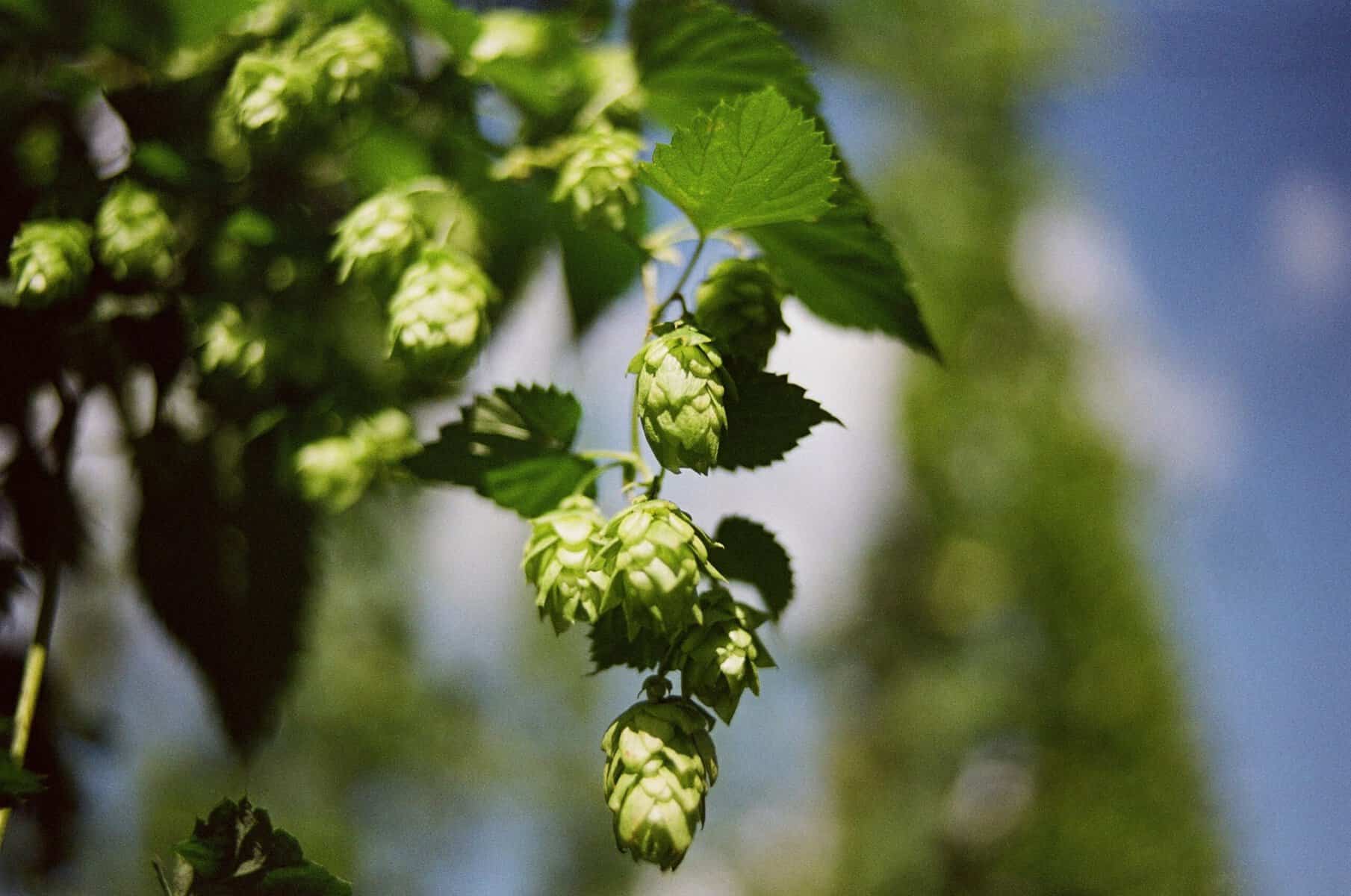
While Fermentation Sciences takes a broad interdisciplinary approach across food, pharmaceuticals, and biotechnology, Brewing Science focuses specifically on the beer industry, giving students a highly specialized skill set that is in strong demand. This major is perfect for students who are passionate about the art and science behind creating high-quality brews. Some universities also offer a master’s degree in Brewing Science for those looking to further specialize.
From understanding the fermentation process to mastering the intricacies of brewery operations, Brewing Science provides a hands-on education in one of the fastest-growing industries. Many colleges offer degree programs in Brewing Science that dive deep into the technical aspects of brewing. Students take courses in brewing technology, beer chemistry, and the operational management of breweries.
This academic specialty ensures students not only understand the scientific processes involved but also how to apply their knowledge in a real-world setting, preparing them for a successful career in the brewing industry. Whether your student dreams of working in a large-scale brewery or starting their own craft beer business, this major equips them with the tools they need to succeed.
Viticulture and Enology
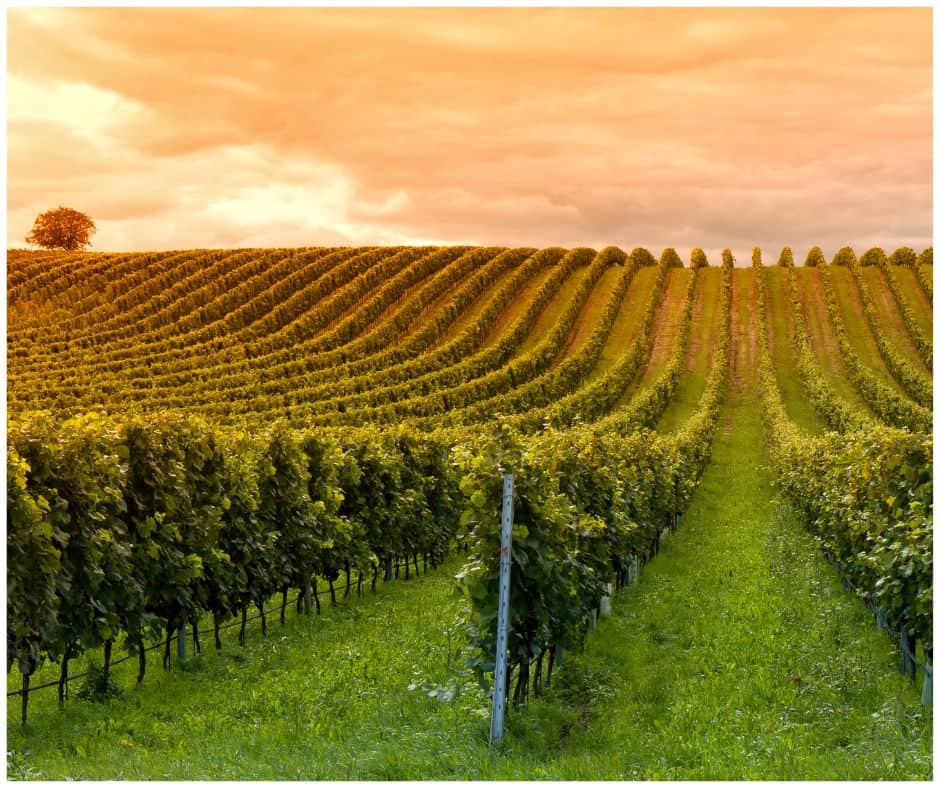
If you love wine and science, Cornell students can choose to major in the Agriculture and Life Sciences program called Viticulture and Enology. This four-year undergraduate program combines the study of grape growing (viticulture) and winemaking (enology) to give you a well-rounded education in the science and art of wine production.
The curriculum includes core courses in biology and chemistry, so you have a strong science foundation. Students also learn about vineyard management and grape flavor chemistry, which are essential for understanding wine composition, sensory evaluation, and practical aspects of grape growing and winemaking. You can also choose from various electives in business and plant science to tailor your education to your interests and career goals.
One of the best parts of this program is the capstone project and internship requirement. These hands-on experiences allow students to apply what they’ve learned in the classroom to real-world situations, whether working in a vineyard, winery, or wine sales and marketing firm.
Cornell Viticulture and Enology program graduates are ready for a career in the wine industry. Whether they want to be winemakers, wine educators, or wine sales professionals, this major gives students the skills and knowledge to succeed in this exciting field.
Degree Programs in Health and Wellness
Mortuary Science
Mortuary Science may not be a typical career choice, but it offers students the chance to provide compassionate care during one of life’s most challenging moments. This field prepares students to work in funeral homes, hospitals, and other settings where they will help families with the care and preparation of the deceased.
Mortuary Science is ideal for students who have a strong sense of empathy and professionalism and who are interested in the science and traditions surrounding end-of-life care. The University of the District of Columbia Community College offers an associate’s degree in Mortuary Science, where students gain hands-on experience in everything from anatomy and physiology to funeral service law.
This degree program is designed to prepare students for real-world careers, equipping them with the knowledge they need to serve both the deceased and their families. Students will learn to combine the technical aspects of the field with the interpersonal skills required to guide families through the funeral process.
Ultimately, Mortuary Science is a field where academics and practical skills intersect. Students will explore areas such as embalming, restorative art, and grief counseling while also learning essential business skills that help run funeral services smoothly. Understanding quantitative methods for record-keeping and logistics is another crucial aspect of the program. If your student is drawn to a meaningful, service-oriented career, Mortuary Science offers a fulfilling path that makes a real difference in people’s lives during challenging times.
Ecogastronomy
Ecogastronomy is a fascinating field that explores the intersection of food, culture, and the environment. The University of New Hampshire was the first university in the U.S. to offer an ecogastronomy program. It’s perfect for students who are passionate about sustainability, nutrition, and the culinary arts. This major goes beyond traditional food studies by focusing on how food production and consumption impact the environment and society.
The University of New Hampshire offers a bachelor’s degree in Ecogastronomy, providing students with a comprehensive education in sustainable food systems, hospitality, and nutrition. Students can choose ecogastronomy as a second major, combining it with another field of study to create an interdisciplinary academic experience. Through courses in areas like sustainable agriculture and plant and soil sciences, students gain a deep understanding of how food is grown and how those processes can be made more environmentally friendly. The program also emphasizes the cultural significance of food, encouraging students to think critically about how food choices affect both communities and ecosystems. Additionally, the program includes a semester abroad in Italy, giving students valuable international experience.
For students interested in unconventional degree programs that blend science, culture, and environmentalism, Ecogastronomy stands out. Graduates are well-prepared to work in fields such as sustainable food production, nutrition, and even hospitality management, where they can promote eco-friendly practices. Ultimately, if your student cares deeply about the environment and wants to be part of the movement toward a more sustainable future in food, Ecogastronomy could be the ideal path for them.
College Majors in Sports and Recreation
Adventure Education
Adventure Education is an exciting major for students who love the outdoors and are passionate about teaching others through experience-based learning. This field focuses on outdoor education, leadership, and environmental awareness, making it ideal for students who want to combine their love for nature with a rewarding career.
Plymouth State University offers a dynamic interdisciplinary degree in Adventure Education that covers everything from outdoor skills to group dynamics and environmental education. Students in this program learn outdoor skills such as rock climbing and kayaking, including courses like Rock Climbing Fundamentals and Whitewater Kayaking. They also learn how to guide groups safely through outdoor activities, manage risk, and foster teamwork in natural settings. The hands-on learning experience prepares students for careers in a variety of outdoor settings, including schools, camps, wilderness adventure programs, and even employment opportunities in a state or national park, where they can apply their skills in real-world environments.
For students looking at specialized degree programs that combine physical activity, education, and a love of nature, Adventure Education is an outstanding option. This major provides students with both practical outdoor skills and the ability to teach and lead others in outdoor environments, all while allowing them to pursue a career where being out and about is part of the equation.

Golf Course Management and Golf Course Maintenance
Golf Course Management is a specialized and rewarding field for students who have a passion for the game of golf and an interest in business, agronomy, and facilities operations. This major goes far beyond learning how to play — it prepares students to run and maintain the complex ecosystems that make up a world-class golf course, from the business side of club operations to the science behind keeping fairways and greens in peak condition. When families find colleges that offer golf course management, they are often surprised to discover how rigorous and career-focused these programs truly are.
Golf course maintenance is a critical component of these programs, giving students hands-on experience in turf management, irrigation systems, pesticide application, and environmental stewardship. Ferris State University and Mississippi State University are among the colleges that offer well-respected degree programs in golf course management, equipping students with both the agronomic knowledge and the business acumen needed to succeed in this growing industry.
Graduates are well-positioned for careers as golf course superintendents, club managers, turf consultants, and operations directors at golf courses, resorts, and country clubs around the world. For students who love the outdoors and want an unconventional degree program that leads to a stable and fulfilling career, golf course management is a hole in one.
Turfgrass Science, Athletic Field Maintenance, and Park Engineering
Turfgrass Science is a fascinating and highly practical field that many students overlook, yet its career opportunities are both plentiful and surprisingly diverse. This major focuses on the growth, management, and maintenance of turfgrass in a variety of settings — from professional sports stadiums and athletic fields to public parks, golf courses, and landscaped grounds. Students who pursue turfgrass science develop expertise in soil science, plant biology, irrigation, and sustainable land management — all core applied sciences — making them valuable across a wide range of industries. It is also one of those unique majors that many students don’t discover until they start actively trying to find colleges with hands-on outdoor programs.
Athletic field maintenance is one of the most visible applications of turfgrass science, with graduates going on to manage the playing surfaces of NFL stadiums, Major League Baseball fields, and collegiate athletic facilities. Penn State University and Purdue University are among the leading institutions offering turfgrass science programs, providing students with both rigorous classroom instruction and extensive hands-on field experience.
Park engineering is a closely related discipline that focuses on the design, construction, and maintenance of parks and recreational green spaces. Together, turfgrass science and park engineering prepare students for careers with professional sports teams, municipal parks departments, landscape architecture firms, and environmental conservation organizations. For students who love working outdoors and want a specialized degree program that puts them at the intersection of science and recreation, this field offers a green and growing career path.
Frequently Asked Questions About Weird Majors
What are weird or fun majors?
Weird majors are unconventional or unique college majors that focus on niche, specialized, or less commonly studied fields. These majors often align with specific interests or passions that may not be covered by traditional academic programs.
Can weird majors lead to good job opportunities?
Yes, many weird majors prepare students for specialized job opportunities in niche industries. Graduates often gain unique skills that can make them highly employable in fields such as brewing, fermentation sciences, golf course management, athletic field maintenance, theme park engineering, and sustainable food production. Employers in these niche industries actively seek graduates with specialized knowledge that traditional majors simply don’t provide.
Are weird majors available as bachelor’s and master’s degrees?
Many weird majors are available as four-year bachelor’s degrees, and some also offer advanced study options such as master’s degrees. Programs like turfgrass science, maritime archaeology, and biomimicry offer graduate-level study for students who want to deepen their expertise and enhance their career prospects.
Which colleges offer weird majors?
Various colleges across the U.S. offer weird majors. For example, Bowling Green State University offers a pop culture major; Kansas State University offers a bakery science major; the University of Connecticut offers a puppet arts major; and Texas A&M University offers a nautical archaeology program. Penn State and Purdue are well known for turfgrass science, while the University of Central Florida is a top destination for students interested in theme park engineering. Many institutions also provide individualized majors tailored to student interests.
How do I choose a weird major that fits me?
Start by listing your favorite subjects and hobbies, consider your strengths and weaknesses, and talk to professionals in fields of interest. For example, if your student loves the outdoors, fields like turfgrass science, golf course management, park engineering, or adventure education might be a great fit. If they are drawn to history and the ocean, maritime archaeology could be the perfect path. Research colleges that offer unique majors and evaluate the job opportunities related to those fields.
Do weird majors provide internship opportunities?
Yes, many weird majors include hands-on experience through internships, which help students gain practical skills and improve their chances of job placement after graduation. Students in programs like theme park engineering, golf course maintenance, and athletic field maintenance benefit especially from real-world placements, since so much of the work in these fields is learned on the job.
Are weird majors respected by employers?
Weird majors are increasingly recognized by employers, especially in niche markets where specialized knowledge and skills are valued. Graduates of programs like turfgrass science, maritime archaeology, and theme park engineering are often highly sought after precisely because so few candidates hold these specialized degrees. Choosing a weird major can set your student apart as a creative, focused, and dedicated candidate.
Can I create my own weird major?
Some colleges offer individualized or interdisciplinary majors that allow students to design a program tailored to their unique interests and career goals, providing flexibility beyond traditional majors. A student passionate about both environmental science and recreation, for example, might combine elements of park engineering and turfgrass science into a custom degree pathway.