
10 Essential Life Skills to Teach Your High Schooler
Before your high schooler goes to college, it’s crucial that they have particular life skills that will help them thrive. Teaching practical skills can help young people develop every important skill for adulthood. However, some of these core competencies, including important life skills such as problem-solving, critical thinking, and managing finances, are accidentally neglected, especially if they are activities that school students’ parents normally manage.
Without certain life skills, your student will not only face new challenges as a college student, but will also need strong life skills to handle the demands of everyday life and adapt to their new environment. However, by taking the time to teach them in advance, you can relieve this burden, making their future transition into their new phase of life so much easier.
Life skills often don’t take long to learn or teach, even if they feel like they can take a lifetime to master. Developing the most important life skills, such as staying safe, maintaining healthy habits, and practicing self-care, is crucial for their success in various areas of their lives.
To help your student get started in the world of “adulting,” here are some points to cover now on skills needed before college, regardless of how old your student may be. Focusing on practical life skills and other key skills ensures your high schoolers are prepared for the real-life skills they’ll need in everyday life. By teaching practical skills that will serve them throughout their lives, you set them up for success beyond academics.

1. Money Management
Understanding financial literacy is crucial for young adults, especially when it comes to managing money skills like budgeting, bill payments, and effectively handling student loans to fund a portion of their education. This is even more relevant if they have to use student loans to fund a portion of their education or will receive most of their financial support through lump-sum scholarships, which must be managed effectively to last through the semester or year.
These discussions can include anything from how compound interest can harm when it’s associated with debt or help when it comes to savings and investing. You can also show them how to identify their expenses, create a budget, manage money, and find ways to save money, stay organized financially, and monitor their small expenditures, like a daily cup of coffee at a café, that can add up quickly. Learning to manage time can also help students balance work, study, and financial responsibilities.
If you want more guidance on money management skills, check out this article: How to Start Managing Money with Your Teen. It will help you get started on the right track.
Part of the money management discussion should include finding ways to bring in money. One of which – and this one is our favorite, of course – is through outside scholarships. However, if scholarships or other forms of financial aid fall short, some families consider Parent PLUS loans. If you and your student would like to learn more about applying for scholarships so they can bring in debt-free money to pay for college, sign up for our free college scholarship webinar. It’s a great way to learn about the process and how to identify scholarship opportunities, both of which are great life skills for helping them graduate debt-free.

However, it’s also wise to introduce job-related income options. Showing students how to make use of job boards, contact staffing agencies, use student career services, or locate paying internships is valuable. Similarly, helping them create their first resume, identify good references, and learn interview techniques is worthwhile. Setting financial goals is a key part of learning to manage money effectively.
Additionally, teaching students about common paycheck deductions is a must. Many students are surprised when their hourly rate doesn’t match what they take home every payday due to taxes and other mandatory deductions.
Bringing this up now – including how much is often removed and why those deductions are necessary – helps your student avoid a potentially unpleasant surprise. Plus, it will allow them to evaluate whether a particular job can genuinely meet their financial needs, allowing them to make wiser choices not just while in school but when they eventually launch their careers. Introducing these concepts at a young age can set the foundation for lifelong financial success.

2. Grocery Shopping and Basic Cooking
Unless the idea of your student living off of Top Ramen, Pizza Rolls, and fast food sounds appealing, they must know how to shop for nutritious foods and cook. Teaching them basic cooking skills, such as boiling water and chopping vegetables, and how to safely use a gas stove, is essential for their independence and health.
Being able to select their own ingredients and craft their own meals is a crucial life skill for high school students, even if they are going to initially have a meal plan (hey, they aren’t going to live in that dorm forever!).
And even more so, it could save them THOUSANDS of dollars. I spent over $1,200 eating out during my first school year! Giving your student some simple cooking skills could save that money!
Start by teaching them the essentials, like how to make a shopping list, compare prices when they are in the store, follow a recipe, and produce standard fare like baked chicken. These practical skills are essential everyday skills for independent living. The idea is to give them a foundation of self-management skills so that the thought of fending for themselves feels less intimidating, making it easier for them to handle these tasks on their own when the time comes by building their self-confidence.
Going over nutrition basics is also worthwhile. Teach them how to read product labels to help them make informed decisions and the importance of favoring fresh ingredients over processed ones. These habits contribute to their overall well-being.
It’s also wise to introduce the benefits of coupons, sales, and other potential ways to save. Similarly, it is worth mentioning that a discount on one product doesn’t mean a cheaper option isn’t available, allowing them to learn to be savvy shoppers.
You may even want to get them a cookbook on microwavable meals since many students only have access to a microwave in their dorm. That will help them focus on viable options that are also reasonably convenient. Mastering these basic life skills will help them thrive in everyday life.
3. Laundry
If your student isn’t handling their own laundry, now is the perfect time for them to get started. Teach them how to read washing and drying guidelines on labels, and follow directions carefully to avoid mistakes. Show them which temperatures they should use when, and even how much detergent and fabric softener to use in the beginning. Laundry is one of the everyday skills and practical skills needed for independent living.
Ruining a load of clothes because that red shirt dyed all of their whites a lovely shade of pink may be a somewhat amusing lesson, but it can be expensive and disheartening, too. Give them an overview of this, one of the critical life skills, and let them start handling this chore independently, helping them become more self-sufficient. That way, they’ll have the experience to make their future laundry adventures successful.
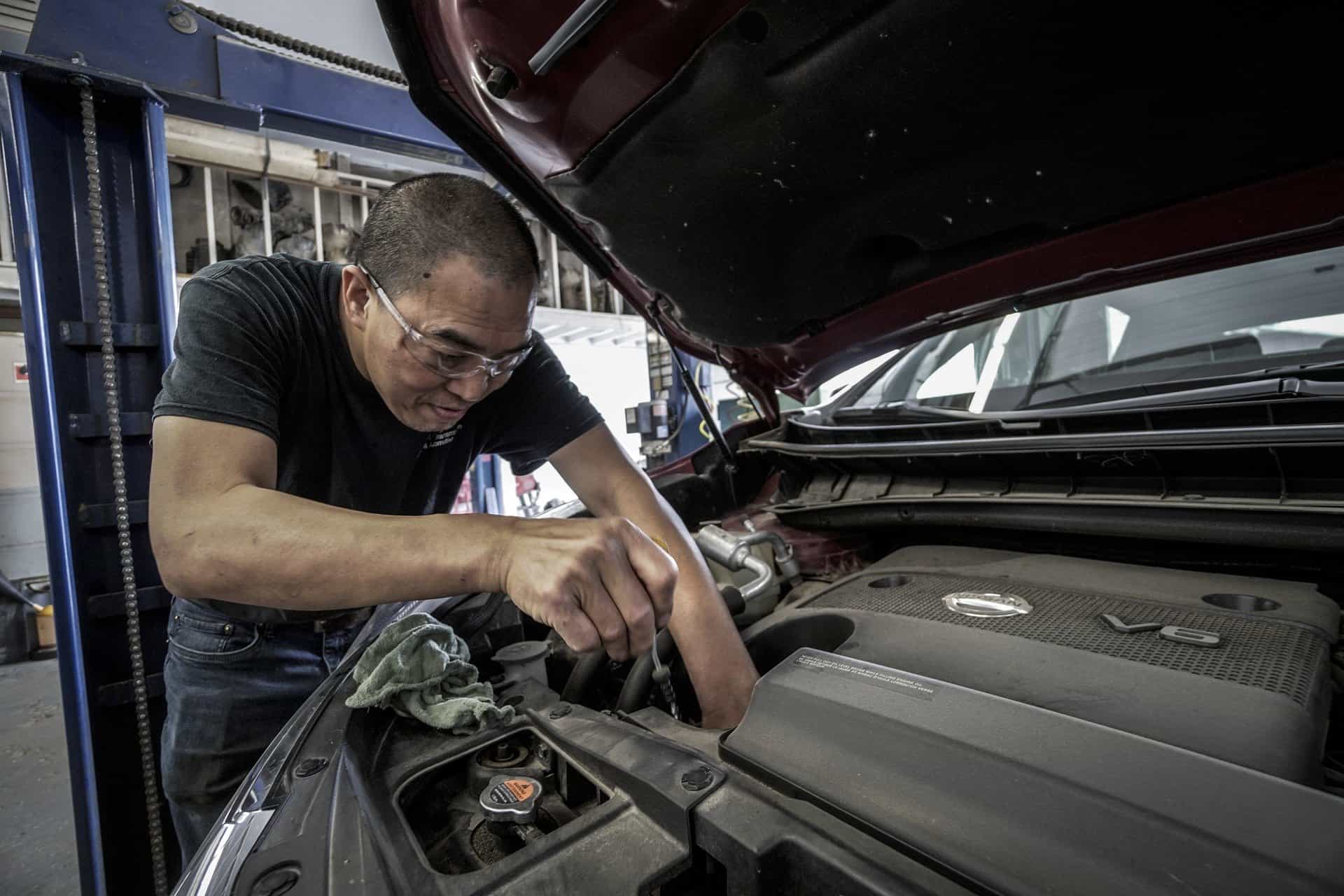
4. Vehicle Maintenance and Repair
For students who will have a car with them when they go to college, learning how to maintain their vehicle and handle basic repairs properly is a must-have practical life skills that contribute to personal safety in everyday life.
All car owners should know how to handle the necessities, like when and where to get an oil change, the windshield wiper blades, and what to do in case of a flat tire, as well as how to check tire pressure and add air.
If your student hasn’t been introduced to these activities, consider giving them a few lessons or taking them along when you perform maintenance on your vehicle. Even if they have access to a roadside assistance plan, young adults should know how to do certain things themselves.
5. Apartment Hunting
Not every college student ends up in a dorm—some secure off-campus apartments either out of necessity or simple preference. But finding their first place can be intimidating and even dangerous if they don’t know how to do so safely, making personal safety a crucial consideration during the apartment search process.
Before your student heads out on their own, make sure they understand where to search for apartments, the responsibilities that come with a lease, and any red flags that should make them immediately start looking elsewhere, especially since there are housing scams that specifically target college students. A quick lesson in relevant critical thinking here is undeniably worthwhile, as it may help them with decision-making and risk assessment.
If you want to learn more about the housing scam (and others) that your student may encounter, check out this article: 6 College Scams to Watch for and How to Avoid Them

6. Time Management
Once they head to college, your student isn’t likely to have someone looking over their shoulder to ensure they stay on target with their schedule. Instead, this responsibility will fall squarely on them, which can be a rude awakening if they aren’t prepared.
To help your student manage this transition more effectively, encourage them to take advantage of time management tools now. Anything from maintaining a calendar on their smartphone to keeping a running to-do list can help, especially when managing time for group projects, extracurricular activities, and making the most of their free time. These strategies can often be the foundation for other organizational skills, like ensuring they effectively track assignments and exam dates.
After all, their life is about to become incredibly unstructured compared to now, so everything you do today can ensure they are as prepared as possible to manage their own life when the time comes. Mastering time management is crucial not only for academic success but also for balancing responsibilities in one’s personal and professional life.
7. Professional-Quality Emails
Developing effective communication skills, including verbal and non-verbal communication, active listening, and maintaining eye contact, is essential for teenagers as they navigate through personal and professional settings. This also includes knowing how to make phone calls in professional and social situations, which is a crucial skill when texting is not appropriate or effective. Most teenagers view digital communications as casual, often exchanging a plethora of messages with friends daily. However, once they begin preparing for or attending college, they may need to rely on email for professional communication, such as contacting a professor, a manager offering an internship, or a scholarship provider. These communication skills are also vital for successfully handling various social situations.
Knowing that “textspeak” and emojis aren’t necessarily appropriate for these messages is important, especially if it harms their chances of being selected for something as valuable as an internship or scholarship. Additionally, students must be able to follow directions when it comes to professional communication etiquette, ensuring their messages are clear, respectful, and effective.
8. Stress Management Skills
Let’s face facts: college is stressful, especially for incoming first-year students. There’s the pressure of their classes and the challenges that come with being on their own for the first time, which can take a toll on their mental health. Many students end up feeling overwhelmed by new challenges as they adjust to this major transition. As a result, stress management is a critical life skill, and it’s worth passing on to your student.
Consider going over techniques you find valuable when you’re experiencing stress. Giving them an overview of any resources available once they get to college is also worth doing. That way, they have a broad array of tools at their disposal. Managing stress is essential for maintaining overall well-being and supporting healthy self-esteem as they navigate college life.

9. Problem Solving
Teaching life skills, including problem-solving, is essential for students as they transition into adulthood, especially since their experience in handling complex situations independently may be limited. Helping students solve problems and find solutions in real-world situations is key. Integrating employability skills and independent living skills into their daily life can significantly enhance their ability to navigate adult life successfully. As a result, it’s wise to equip your children with problem-solving skills tailored to their new adult lives.
For example, how to contact a company if there’s a service outage or a billing issue is worth introducing. Those are problems that happen to people every day, and knowing how to resolve them is valuable, as it builds decision-making and independent thinking skills—both crucial for navigating adulthood.
It’s also wise to sprinkle in some tips about conflict resolution. After all, confrontation and disagreements are often stressful, particularly for students not used to handling challenging situations independently.
Give them guidance on how to approach conflict productively and politely, as that could help save them a lot of hardship. Plus, it’s a problem-solving skill they’ll be able to use for the rest of their lives, and practicing life skills in real-world scenarios will reinforce their ability to solve problems and find solutions independently.
10. Unique Household Management Skills
Ultimately, every family is different, and you likely know your young adult’s hobbies and preferences better than anyone. If you think a particular life skill will benefit them based on your household, don’t be afraid to share it!
Unique household life skills can help students build meaningful relationships and healthy relationships, and build confidence as they transition to college. These skills also support the formation of new friendships and making new friends, which are important for social development during this time.
Plus, unique household life skills can create a sense of connection between students and their parents. It allows them to bring a special part of their home life, turning these life skills into potential traditions that provide comfort or a sense of normalcy.
Community resources like your local library and non-profit organizations often offer workshops and extracurricular activities where teens can develop practical skills and explore new ideas. Consider teaching practical skills such as how to use over-the-counter medications safely, basic first aid, and how to perform CPR. Tools like Google Maps and public transportation are also essential for personal safety and independence.
Teens learn best by practicing life skills in real-world situations, such as participating in a group project, joining extracurricular activities, and exploring new ideas. Encouraging your high schooler to practice life skills in these settings helps them develop independence, teamwork, and problem-solving abilities.
After all, every life skills lesson can be incredibly valuable to high school students, so start teaching them today. Ultimately, it will make your student’s transition to college so much easier, and you’ll feel more secure knowing that they have the skills they need to succeed in all aspects of their new life. Empathy, as a valuable life skill, plays a crucial role in building healthier relationships, further enriching this transition.

Frequently Asked Questions (FAQ)
Q: What are the most important life skills to teach your high school student?
A: Essential life skills include money management, basic cooking and grocery shopping, laundry, vehicle maintenance, time management skills, professional communication, stress management, problem-solving, and personal safety.
Q: When should I start teaching life skills to my high schooler?
A: It’s best to start teaching these skills at a young age and continue reinforcing them throughout high school to prepare your student for independent living and college life.
Q: How can I help my teen develop time management skills?
A: Encourage the use of calendars, to-do lists, and time management tools now. Help them practice balancing schoolwork, extracurricular activities, and free time effectively.
Q: Why is financial literacy important for teens?
A: Financial literacy helps teens manage money wisely, avoid debt, save effectively, and make informed decisions about budgeting and expenses, which are critical for adult life.
Q: Are there resources to help teens practice life skills?
A: Yes, many community centers, local libraries, and non-profit organizations offer workshops. Additionally, practicing skills in real-world situations like group projects and extracurricular activities is very beneficial.
Did I miss any that you think are important? Comment below with other life skills that you feel are essential before heading off to college.




I like your list of necessary life skills before leaving home. Here is one more: know how to clean a bathroom, especially the toilet.
Yes, general house cleaning I would agree with . I would also include “don’t be afraid to ask”. It is an important tool in solving problems, especially knowing what to ask.