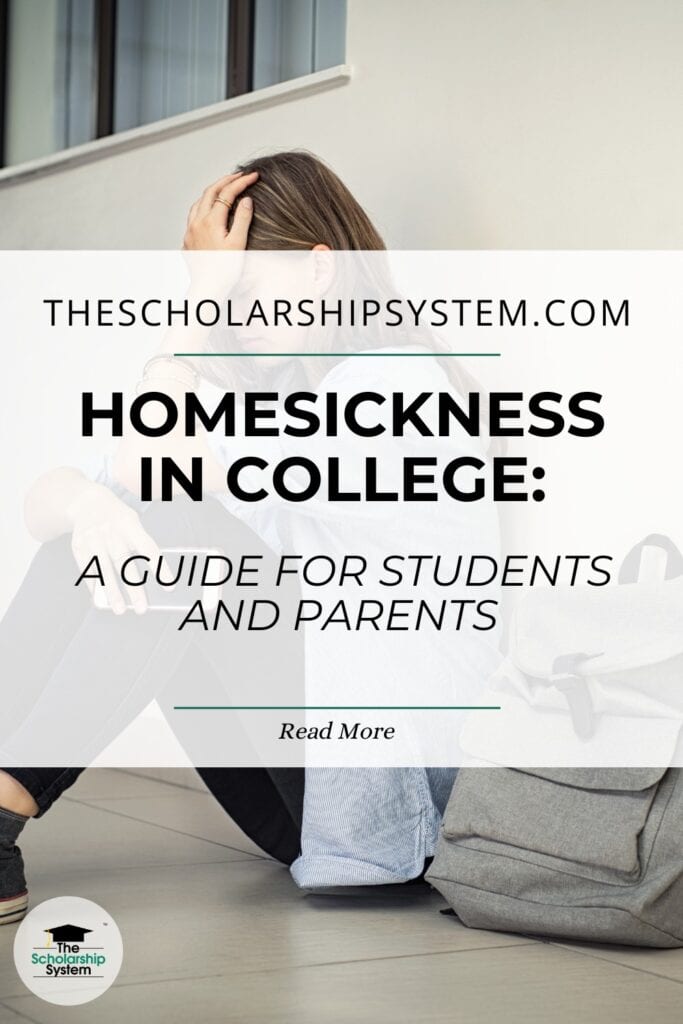
Homesickness in College: A Guide for Students and Parents
Homesickness in college students is relatively common. When a student first strikes out on their own, they may feel excited about launching their life as an adult. However, it’s also completely normal to experience a range of other emotions, including anxiety about what the future holds or missing their families.
When negative feelings are strong, students might long for their old life at home. For students, this can be incredibly distressing, potentially leading to anxiety, depression, or other emotional states. For parents, knowing that your student is feeling homesick can be heartbreaking, particularly if you don’t know how to help.
Here’s a look at what homesickness in college is, the signs of homesickness in students, and tips for students and parents that can make the college journey and overcoming homesickness easier.
If you and your student want to learn more about where to find local scholarships, as well as national awards, sign up for our free college scholarship webinar! Take a trip over to http://thescholarshipsystem.com/webinar to reserve your spot today.

What Is Homesickness in College?
Homesickness is a common challenge students face during college, describing the emotional and mental distress that can occur when someone is separated from home. In this sense, “home” doesn’t necessarily mean a physical building. Instead, it can encompass a range of things that make an area feel comfortable, such as specific people, a standard of living, a routine, or a sense of familiarity.
For college students, homesickness can occur when they choose to go away to college. Not only is the physical environment new, but so is the culture, which can make it harder to adapt. This can be a shock, as the way of life in their new home is unfamiliar and might be dramatically different from their family culture. Plus, unless they head to their new school with friends, their support systems might not be local, making them feel alone.
Ultimately, homesickness in many college students occurs because starting college is a major transition, and acknowledging it as a normal experience is a normal response to change.

Signs of Homesickness
When a student is experiencing homesickness while at college, it usually shows. While some students may come right out and say they are experiencing those feelings, others may not be so forthcoming. By understanding the symptoms of homesickness, you can increase your chances of spotting it.
Many first-year students experience symptoms of homesickness as they adapt to college life and the challenges of being away from familiar people and routines. Because your student may not always volunteer how they’re feeling, knowing what to look for can help you spot it early.
First-year students tend to report homesickness more than upper-level students, and certain indications are more common, including:
- Anxiety
- Depression
- Feeling like they don’t fit in
- Decreased motivation
- Loneliness
- Sadness
- Irritability
- Longing for a connection with someone
- A sense of grief or loss
- They may feel isolated or alone
Some students also show physical signs, including disrupted sleep and lack of appetite.
Essentially, being a homesick college student is distressing, and it can negatively impact their lives. For example, they may skip classes because they feel too sad or depressed to attend or could struggle to remain focused, causing their grades to tumble. Avoiding social activities or isolating themselves are also potential signs of homesickness.
It’s important to understand that the signs of homesickness in college above can also be symptoms of other health conditions, including some that are potentially serious. Telling the difference between homesickness and other conditions, particularly depression, isn’t easy, so you don’t want to assume that homesickness is the root cause. Persistent symptoms can sometimes signal something beyond typical homesickness, such as depression, so if you or your student is struggling with any of the emotions above for more than a few weeks, it’s wise to seek guidance from a medical professional. They can help identify the underlying cause and create a treatment plan to address the health issue.

How to Deal with Homesickness in College
Dealing with homesickness doesn’t seem like an easy task, particularly in the first few weeks, when it can leave a student feeling sad and unmotivated. However, that doesn’t mean it can’t be overcome.
Above all else, understand that the feelings a homesick college student feels are normal. Many students experience it in the first semester as they adjust, so students aren’t alone in this struggle.
In many cases, figuring out how to cure homesickness is mostly about taking actions that allow the campus to feel like home. Typically, this involves increasing a student’s comfort level with the area and building a suitable support system.
If you are trying to figure out what to do when you’re homesick so that you can feel better, here are some tips.
Personalize Your Dorm Room Space
When a space feels like you, it’s almost always more comfortable. When you decorate your dorm room, make sure you bring items that feel familiar. These can include decorations, pictures, bedding, knickknacks, or anything else that makes you happy, supports your new routines, and helps you personalize your space. Those familiar comforts can also create positive associations with your new environment, helping you feel more at home.
Get Involved on Campus
Getting involved on campus helps you become more familiar with your environment, build meaningful friendships, and strengthen social relationships on campus. Since knowing your local area can make you more comfortable, it’s wise to explore your college campus fully. Plus, by joining in on activities, you can familiarize yourself with the culture, and that makes a difference, too.
Getting to know other students is also essential. Cultivating a social circle gives you a local support system to lean on during the transition. Look for clubs, study groups, or other gatherings that focus on your interests — joining one can help you manage homesickness and create new connections. With a bit of time, you can build connections that can turn into friendships, making college life on your campus feel more like home. Staying engaged also matters — feeling homesick shouldn’t lead you to miss class or reject opportunities to connect, including events held on campus, and avoiding frequent trips home can make it easier to settle in. Setting small achievable goals, such as attending one club meeting or one campus event each week, can help you build a consistent routine.
Keep in Touch with Loved Ones
If you’re missing home, stay connected with family and friends — but in a balanced way. Set specific times for calls, like a weekly video chat, so you stay in touch without feeling tethered to home. Sharing what’s going on in your life, and hearing about theirs, helps maintain that support system without pulling you back into your old routine.
Just make sure you don’t spend too much time visiting home. Instead of leaving campus at every opportunity, plan a visit home during long weekends or breaks. Otherwise, you might have a harder time establishing the school as your new home, making your homesickness worse instead of better.
Talk About Your Feelings
A lot of students, including many international students, who may be adjusting to a new culture on top of missing home — are dealing with the same feelings of homesickness you are. Talking openly helps because there is no right or wrong way to experience feelings like these during the transition. By talking about it, you can process your emotions more easily. Plus, you’ll learn pretty quickly that you aren’t alone and might be able to craft stronger bonds that lead to friendships.
Discussing your feelings also ensures you aren’t ignoring them. Bottling up what you’re going through usually makes the situation worse, not better, so find a way to express them. Even a little homesick talk with a person’s friends or a resident advisor can make the sadness easier to process. Whether you live on campus or off campus, take some time to explore your school’s support services. From counseling and wellness centers to student clubs, campus events, and peer mentoring programs, these resources can help you meet people, find support, and feel more connected to your college community.
Students experiencing homesickness may also struggle with imposter syndrome, leaving them feeling as though they don’t belong or that everyone else is adjusting better than they are. These thoughts are common during major life transitions and don’t reflect your ability to succeed.
If you are having difficulty figuring out how to deal with homesickness as a college student and you feel like you need more support, it’s best to reach out to a medical professional. Many universities offer counseling and psychological services tailored to students’ needs, and using campus support resources can provide personalized coping mechanisms. Plus, if homesickness is a symptom but not the root cause of the issue, a medical professional can help identify the core condition and develop a proper treatment plan.

How to Help Someone Who is Homesick
As a parent or family member, it may seem like helping a homesick college student is simple. You might be tempted to have them come home, as that looks like a logical solution. In other cases, you might think that frequent visits are a great option. However, in both scenarios, that isn’t always the best approach.
If your student comes home too often or you visit too much, your student might be less likely to develop a support system at school. This can make the situation worse, not better. Similarly, if they visit you regularly, they might not view their college as their new home, and that can also make their transition more challenging.
Instead, you want to focus on being supportive, reassuring, and encouraging without being too present. It’s a tricky balance, but it’s likely the best approach.
Offer the Homesick Student Support
If you are trying to figure out what to say to someone who is homesick at college, focus on being supportive. Listen to your student’s concerns, first and foremost. That way, you can identify areas where your student is struggling, allowing you to focus your response in the right areas.
Next, you can make recommendations that help them turn their college into their home. You might suggest they participate in social activities to help them build a strong social circle or sign up for activities they enjoy. You might help them evaluate clubs on campus or encourage them to join study groups. Advising them to keep an eye on bulletin boards to learn about events is also wise.
Encourage Exploration
For many first-year college students, the school itself isn’t the only new environment they are facing; they’re in a new town, too. Living in a new city can be intimidating. Plus, if they are experiencing stress in other areas of their lives (like challenging classes), their negative feelings might amplify the sense that they don’t belong.
If your student is struggling, encouraging them to explore their new city can be a good idea. This can include getting to know their campus, finding the best restaurants for lunch, or learning where the best park is so that they can thoroughly enjoy a sunny day.
As they get comfortable with their new surroundings, it’s easier for the student to take ownership of their new home. This can potentially make dealing with homesickness easier.
Be Reassuring
As you speak with your student, make an effort to be reassuring. Let your student know that it’s normal to experience homesickness during a big life transition, and that students experience homesickness differently, with no wrong time for it to show up. Remind them that others around them likely have these feelings, too, and that they aren’t alone.
You can also tell your student that these emotions tend to diminish with time, though how a person overcomes them varies. As they settle into new routines, homesickness typically becomes more manageable. As they get to know their new home, get active on campus, and build a social circle, they will likely start to feel better. Encourage them to focus on the positive aspects of their college experience and to cultivate the relationships they need to have a suitable amount of local support.
Recommend Getting Help
If your student’s homesickness symptoms are significantly interfering with their daily life, it’s wise to recommend they get help from a medical professional, especially if the student remains disconnected or their distressed state is getting worse. This is especially true as the signs of homesickness can also be symptoms of serious health conditions, including major depression.
Most colleges and many campuses have services for students, including mental health services. Keeping a healthy lifestyle with regular sleep, nutritious meals, and physical activity can also improve mood during adjustment. Ignoring depression or other mental health concerns can have severe consequences, so it’s always best to recommend your student seek out help if they are struggling to figure out how to get rid of homesickness or other negative emotions.
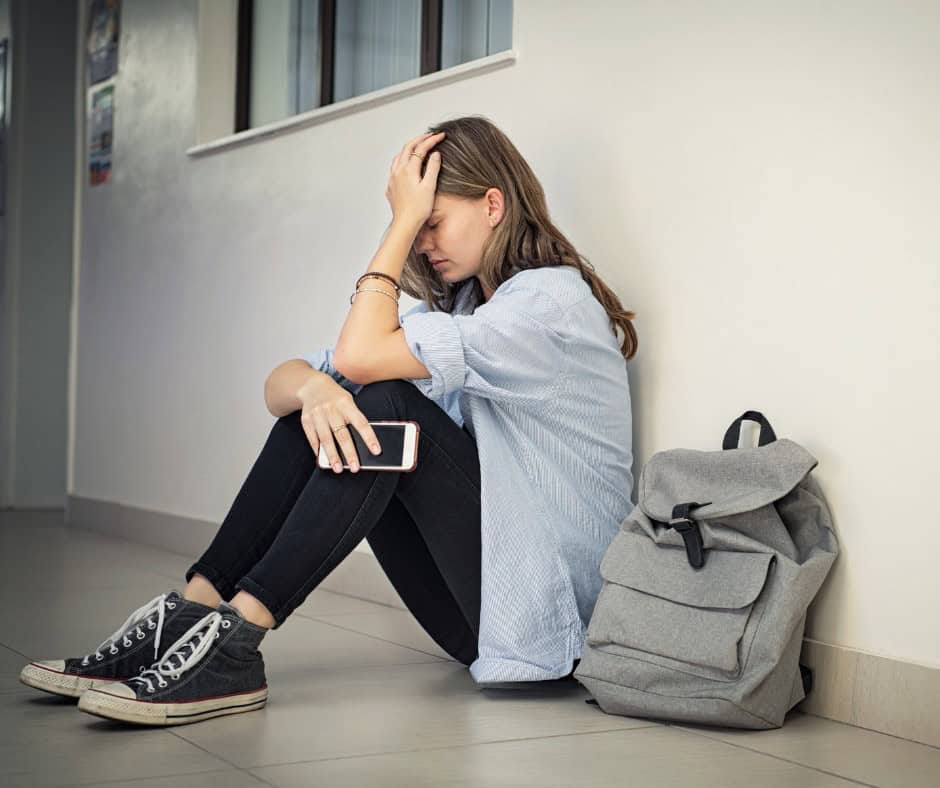
When Homesickness Signals a Bigger Decision
In some cases, homesickness that doesn’t improve despite time and support may be a sign that a student wasn’t quite ready for this particular transition — and that’s okay. Options like taking a gap year, starting at a school closer to home, or beginning at a community college or other gap year programs can be legitimate, healthy choices rather than a step backward.
Frequently Asked Questions About Homesickness in College
Here are answers to some of the most common questions students and parents have about homesickness in college.
What are the four main risk factors for homesickness in college students?
Common risk factors include unfamiliarity with a new environment, a person’s attitude toward the change (which can become a self-fulfilling prophecy), individual personality and adaptability, and outside factors like how voluntary the move was and the level of support from family and friends.
When is the highest incidence of homesickness in college students?
Homesickness is most common during the first few months of college, especially for students leaving home for the first time. Most first-year students experience at least some symptoms of homesickness during this period.
How can students cope with homesickness effectively?
Students cope best by building friendships, getting involved in campus activities, setting small achievable goals, and staying connected to family and campus support resources.
What are common signs that a college student is experiencing homesickness?
Common signs include anxiety, sadness, irritability, and loneliness, along with physical symptoms like disrupted sleep and appetite changes. Left unaddressed, these can affect a student’s motivation and academic performance.
When should parents or students seek professional help for homesickness?
If homesickness leads to persistent depression, interferes with daily life, or lasts more than a few weeks, it’s worth consulting a medical professional or campus counseling services. Early support can help prevent more serious issues down the line.