Roommate Conflict Resolution Guide for College Freshmen: How to Navigate Dorm Life Disputes
Roommate conflict in a college dorm is common, especially during the first year, and most issues can be resolved with early communication, clear ground rules, and support from a resident advisor when needed. The key is to address roommate problems before they become a larger conflict, document expectations in a roommate agreement, and know when outside help or a room transfer is the healthiest option.
For many first-year college students, sharing a dorm room is the first time living away from home, sharing a small living space, and adjusting to someone else’s schedules, habits, personality traits, and communication styles. For parents, it can be hard to know when to coach from the sidelines and when to encourage a student to use campus resources. This guide walks students through practical conflict-resolution strategies for navigating a difficult roommate situation in campus housing.
Understanding Roommate Conflicts in College
Roommate conflicts are recurring disagreements, discomfort, or tension between students who share a dorm room or campus housing space. These conflicts can involve sleep, cleanliness, guests, noise, privacy, belongings, study time, or basic expectations about respect. In college dorm settings, roommate problems are not a sign that someone has failed at college life. They are a normal part of learning how to live with another person in a shared space.
Conflicts are especially common for first-year students because not everyone arrives with the same habits or expectations. One roommate may be a night owl who studies after midnight, while another may have an early bedtime and morning classes. One person may expect the room to stay tidy every day, while another may see clutter as normal. Conflicts often stem from differences in communication styles and personal boundaries, leading to misunderstandings in shared living spaces.
Learning conflict resolution early in the school year helps students build skills they will use far beyond college. Using open and honest communication, listening to the roommate’s perspective, and practicing compromise can strengthen relationships with roommates, friends, classmates, coworkers, and future partners.
Resolving conflicts can improve the overall college experience because dorm life affects sleep, rest, study habits, mental health, and a sense of belonging. Studies suggest that roommate conflict can be tied to anxiety, fatigue, academic disruption, and lower GPA when issues remain unresolved. On the positive side, good communication, mutual respect, and clear expectations can turn a stressful living situation into a manageable, even growth-building, part of freshman year.

Common Types of Roommate Conflicts in Dorm Life
Roommate conflicts usually fall into a few predictable categories. Naming the type of conflict can make it easier to discuss what is actually happening, instead of blaming the other person’s character. A roommate may not be “rude”; they may have different expectations around quiet hours, shared responsibilities, or personal space.
Common conflict categories include:
- Lifestyle and schedule differences: One roommate may be an early riser while the other is a night owl. Problems can happen when overhead lights stay on late, alarms go off repeatedly, or one person wants to talk while the other needs sleep or study time.
- Personal space and boundary issues: Roommate disagreements often arise over the use of personal belongings, such as food and household items, leading to tension when boundaries are not clearly established. Borrowing clothes, eating snacks, using chargers, sitting on beds, or entering the room with other friends can feel invasive when no one has discussed limits.
- Cleanliness and organization conflicts: Many roommate conflicts stem from differing expectations for cleanliness and shared responsibilities, which can lead to frustration if not addressed early. A messy floor, overflowing trash, dirty dishes, or shared bathroom clutter can make one roommate feel disrespected.
- Social conflicts: Roommates often have differing opinions about frequent visitors and overnight guests, which can lead to conflicts if not addressed early. Parties, loud friends, romantic partners, and noise levels during study time can quickly disrupt peace in a small dorm room.
- Communication style mismatches: One person may prefer direct conversation, while another may avoid conflict or resort to passive-aggressiveness. These different communication styles can lead to potential conflicts, as one roommate feels ignored while the other feels attacked.
Academic-Related Conflicts
Academic-related conflicts often occur because the dorm room serves as both a living and a study space. One roommate may need quiet hours before a biology exam, while the other may relax by watching videos or talking with friends. Different study schedules can make the room feel like contested territory, especially during midterms and finals.
Technology use can also create tension. Loud typing, gaming, video calls, online study groups, and notification sounds may distract the person trying to concentrate. A good roommate does not have to be silent all the time, but both parties need to communicate about when noise is reasonable and when it is interfering with academic work.
Lighting preferences are another common issue. One student may need bright overhead lights to read or create notes, while the other may be trying to sleep. Solutions can include desk lamps, eye masks, agreed-upon lights-out times, or moving late-night work to a study lounge.
Room temperature can affect both concentration and sleep. A room that feels too cold may make studying difficult, while a room that feels too warm may interrupt rest. Instead of arguing over the thermostat or window, roommates should discuss what each person needs and create a compromise, such as fans, extra blankets, or agreed temperature ranges when campus housing allows adjustments.
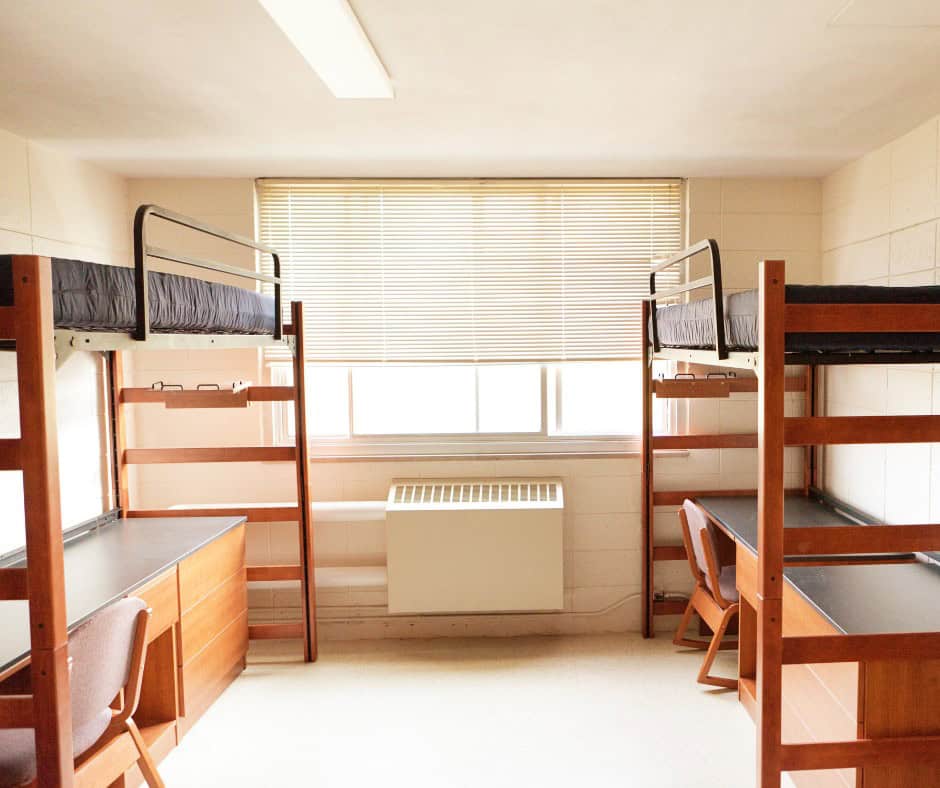
Social and Personal Conflicts
Social and personal conflicts often feel more emotional because they involve privacy, comfort, values, and identity. Overnight guest policies and romantic partner visits should be discussed early, not after one roommate feels surprised or uncomfortable. Establishing guidelines for guests, such as advance notice and limits on the number of overnight guests, can help roommates find common ground.
Alcohol and substance use disagreements can also create serious conflict, especially when campus housing rules are involved. If one roommate’s choices put another student at risk, violate residence hall policy, or make the living environment unsafe, it may be time to involve a resident advisor.
Religious and cultural differences can affect daily routines, including prayer, fasting, food storage, holidays, visitors, clothing, and sleep schedules. These differences do not need to create conflict when roommates approach them with an open mind and mutual understanding. Try to respect everyone’s routines where possible, and ask questions rather than making assumptions.
Personal hygiene standards and bathroom sharing can also be sensitive topics. Shower schedules, laundry habits, odors, toiletries, and shared sink areas can all lead to feelings of being upset if one person feels that the other’s habits affect the shared space. Discussing boundaries around visitors, personal routines, and shared areas at the start of a living arrangement can help prevent misunderstandings, foster respect for each other’s boundaries, and ensure both roommates feel comfortable in their shared space.
Step-by-Step Guide to Resolving Roommate Conflicts
The best time to address a roommate conflict is early, before resentment builds. Small problems like a messy desk, late-night noise, or borrowed food can become larger conflicts when students avoid the conversation for weeks. Early intervention gives both roommates a better chance at a happy living situation.
1. Recognize the problem clearly.
Before you talk, identify what is actually bothering you. Is it noise after quiet hours, guests staying too often, missing food, or a cleaning schedule that is not being followed? Be specific. “I can’t sleep when the overhead lights are on after midnight” is easier to resolve than “You are inconsiderate.”
2. Choose the right time and place.
Do not start a serious conversation when one roommate is rushing to class, trying to sleep, or already upset. Choose a private moment in the room or another calm setting. If emotions are high, say, “Can we talk later today about something in the room that has been bothering me?”
3. Use “I” statements.
Using ‘I’ statements helps express feelings without placing blame, keeping dialogue constructive. For example, say, “I feel stressed when dishes stay on the desk for several days because I have trouble focusing,” instead of, “You never clean up.”
4. Listen to your roommate’s perspective.
Effective communication is not just about saying your concerns. It also means listening to how your roommate feels. Your roommate may not know the behavior is affecting you, or there may be a reason behind it. Encouraging open communication and empathy among roommates can help de-escalate tensions and promote understanding during conflicts.
5. Collaborate on solutions.
The goal is not to win. The goal is to find common ground. If one person needs rest and the other needs to study late, possible solutions include headphones, a desk lamp, library time, or agreed quiet hours. If cleanliness is the issue, create a cleaning schedule or chore schedule that feels fair.
6. Put agreements in writing.
Roommates should discuss and document their expectations and boundaries early on to prevent misunderstandings and conflicts later. Establishing ground rules regarding noise levels, cleanliness standards, and shared responsibilities is essential for creating a healthy living environment among roommates. A written roommate agreement gives both parties a reference point if problems arise again.
7. Schedule a follow-up.
A solution may work for a week and then need adjustment. Set a time to check in: “Let’s see how this is going next Sunday.” Follow-up conversations help roommates communicate before frustration builds again.
A resident advisor (or resident assistant) is trained to help students handle dorm room issues, understand campus housing policies, and resolve roommate conflicts. Students do not need to wait until a situation feels unbearable before asking for advice. RA involvement can be informal at first, such as asking how to approach a conversation, or formal when mediation is needed.
RA intervention is appropriate when there are safety concerns, harassment, repeated policy violations, substance use issues, threats, bullying, or ongoing disrespect of boundaries. It is also appropriate when students have tried to talk, and the conflict has not been resolved. If one roommate refuses to respect quiet hours, ignores guest rules, takes personal belongings, or makes the room feel unsafe, outside help is reasonable.
To approach your RA, be specific and calm. Explain what has happened, when it happened, what conversations have already taken place, and what you want help with. Documentation can help: dates, messages, examples, and notes from previous discussions. The RA may coach you on communication, suggest an update to the roommate agreement, or schedule a mediation meeting with all parties involved.
During RA-mediated roommate meetings, the RA usually acts as a neutral guide. The meeting may include ground rules such as no interrupting, no shouting, no personal attacks, and equal time for each person to talk. Each roommate explains their concerns, listens to the other’s boundaries and expectations, and works toward mutual understanding. The result is often a written plan or revised roommate agreement.
Professional mediation benefits first-year students because many freshmen have never had to manage a conflict this directly before. An RA can help translate vague frustration into clear expectations, prevent passive-aggressive behavior, and keep the conversation focused on solutions. RA involvement can also prevent conflicts from escalating into conduct issues, academic stress, or a request for a room transfer.
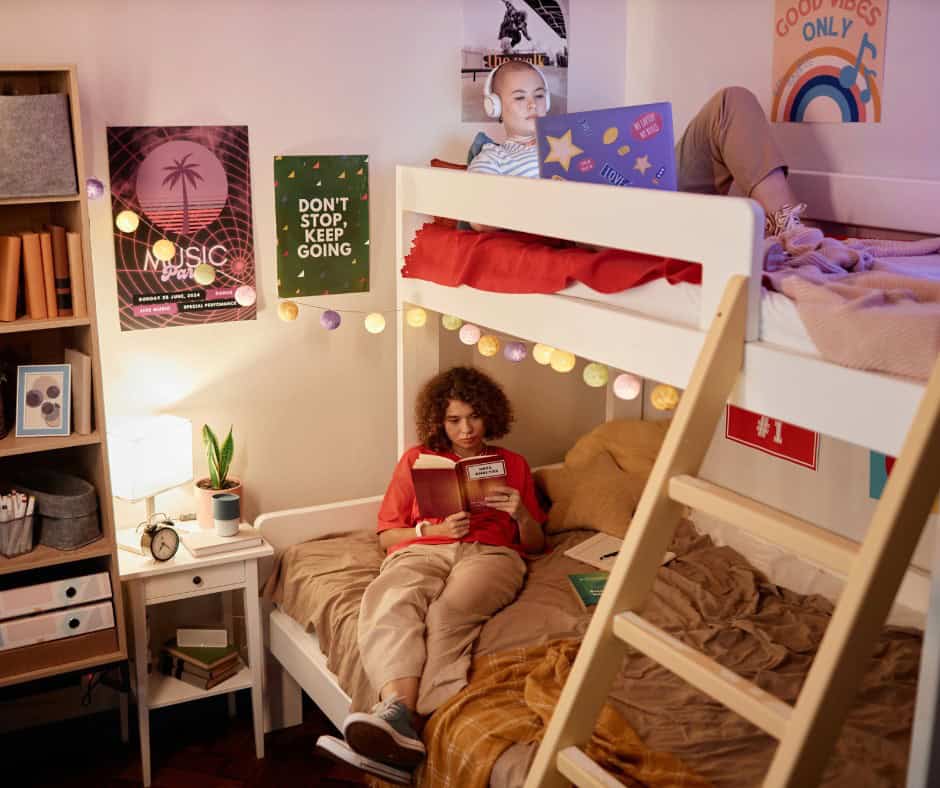
Setting Healthy Boundaries and Ground Rules from Day One
Boundaries are not rude — they are a way to create peace and respect in a small living environment. The first weeks of college are the best time to have these conversations, not because conflict is inevitable, but because clear expectations make it much easier to navigate the school year comfortably when life gets busy.
Key topics to discuss during initial roommate conversations include sleep, alarms, visitors, noise, cleaning, borrowing items, food, study time, temperature, and privacy. Talk about what helps each person feel comfortable in the room. One roommate may need their own space after classes, while another may enjoy having friends over often. Neither preference is automatically wrong, but both need to be communicated and balanced with the other’s schedules.
Creating a comprehensive roommate agreement turns assumptions into clear rules. Reference the agreement whenever expectations shift — such as at the start of a new semester, after a conflict, or when a new guest policy is needed — and update it together so it continues to reflect both roommates’ needs.
Roommates should establish their preferences early. Some students prefer face-to-face conversation, while others may want a quick text for simple reminders. Serious topics, however, usually deserve a real conversation. Honest communication prevents resentment and helps both roommates feel respected.
Regular check-ins are useful because the school year changes. Midterms, finals, sports seasons, weather, illness, new relationships, and changing friend groups can all affect the living situation. A quick weekly or monthly check-in gives roommates a chance to adjust expectations before potential conflicts turn into bigger problems.

Specific Conflict Scenarios and Solutions
Some roommate conflicts are so common that it helps to have a plan before they happen. The following scenarios show how a student can address a difficult roommate situation with respect, practical solutions, and clear follow-through.
The Messy Roommate Problem
A messy roommate conflict often starts small: clothes on the floor, food containers near the bed, trash piling up, or shared surfaces becoming unusable. The cleaner roommate may feel disrespected, while the messier roommate may feel judged. The first step is to address different cleanliness standards respectfully.
Start with an “I” statement: “I feel overwhelmed when the shared space is cluttered because I need a clear desk to study.” Avoid insults like “You’re gross” or “You’re lazy.” These differing standards are among the most common triggers for dorm tension, but they are also among the easiest to resolve with a clear cleaning plan.
Next, create fair cleaning expectations. Establishing a cleaning schedule can help ensure chores are divided fairly among roommates, preventing conflicts over responsibilities. A chore schedule might include taking out the trash, vacuuming, wiping down surfaces, doing dishes, and cleaning shared bathroom areas, if applicable.
A chore list or calendar can make responsibilities easier to track. Creating a chore list or calendar can help maximize communication and clarify who is responsible for specific tasks, reducing misunderstandings. The goal is not to force both people to have identical standards, but to establish a baseline for the shared space.
If the mess becomes a health or safety concern, such as moldy food, pests, blocked exits, strong odors, or repeated refusal to clean shared areas, involve the RA. At that point, the issue is no longer just a personality difference; it affects the community’s health and comfort.
Sleep Schedule Conflicts
Sleep conflicts are common when one roommate has early classes, and the other is a night owl. A student who goes to bed early may feel exhausted if lights, noise, or visitors continue late into the night. The roommate who stays up late may feel controlled if they cannot use the room after a certain hour.
Start by negotiating quiet hours. Discuss bedtime, alarms, phone volume, overhead lights, and what counts as disruptive noise. If one person studies late, they can use headphones, a desk lamp, or a study lounge. If one person wakes early, they can prepare clothes and supplies the night before to reduce morning noise.
Sleep aids can help, but they should not replace respect. White noise machines, earplugs, eye masks, blackout curtains, and small lamps can reduce conflict. Still, both roommates should respect each other’s schedules and need for rest.
Late-night studiers should identify alternative study spaces, such as the library, residence hall lounge, academic building, or common room. This is especially important during exams, when the roommate’s need for sleep and the other person’s need for study time may both be valid.
Early morning routines also need boundaries. Repeated alarms, loud drawers, hair dryers, or phone calls can be just as disruptive as late-night noise. A good roommate considers how daily routines can affect others.
Guest and Privacy Issues
Friends, romantic partners, and overnight guests can make one roommate feel crowded or uncomfortable quickly when expectations were never discussed — and those feelings tend to escalate faster in a dorm room than almost anywhere else.
Set clear guest policies early. Discuss how often friends can visit, whether romantic partners are allowed, how much notice is required, and whether guests can be present when the roommate is sleeping, studying, or away. Guest boundaries tend to feel more personal than other dorm conflicts because the room is often the only private space a first-year student has, which is exactly why clear expectations matter before a situation becomes uncomfortable.
Advance notice is especially important for overnight visitors. Talking through guest expectations early — even when things feel fine — makes it much easier to revisit the conversation later without it feeling like a personal complaint. For example, roommates might agree to a 24-hour notice, no overnight guests during exam week, or a limit on consecutive nights.
Private space should also be respected. A roommate may need alone time after a hard day, during a family call, or while handling personal issues. Roommates can create signals or simple phrases, such as “I need the room for an hour tonight,” without making the request feel dramatic.
If guests overstay, disrupt routines, violate quiet hours, or make the roommate feel unsafe, address it directly. If the problem continues, involve the RA. Guest policies are often part of residence hall rules, and the RA can help clarify expectations for everyone involved.
Difficult conversations are easier when students prepare mentally and emotionally before confronting roommate issues. Before you talk, take time to identify your main concern, what outcome you want, and what compromise you could accept. Try to enter the conversation with an open mind rather than a list of accusations.
For serious topics, face-to-face communication is usually better than texting. Texts can be misread, especially when someone is already upset. A short message like “Can we talk tonight about the room?” is fine, but the full conversation should happen in person when possible.
If a discussion becomes heated, take a break. Saying “I want to resolve this, but I need 20 minutes to cool down” is better than saying something that could be damaging. Conflict resolution requires emotional control from both parties involved.
Finding common ground can shift the tone. Most roommates share at least one goal: a peaceful, comfortable living environment. Remind each other that the issue is not about proving who is right. It is about creating a room where both people can sleep, study, and feel respected.
Avoid passive-aggressive behavior. Slamming drawers, leaving sarcastic notes, ignoring messages, or complaining only to other friends may feel easier than a direct conversation, but they rarely resolve the conflict. Good communication means addressing concerns directly, respectfully, and early.

When to Consider Requesting a Room Change
A room change may be appropriate when roommate conflicts cannot be resolved through honest communication, RA mediation, or reasonable compromise. Signs include ongoing stress, repeated violations of the roommate agreement, unsafe behavior, harassment, academic decline, sleep disruption, or a living environment that feels emotionally harmful.
Campus housing policies usually require students to follow a process before a room transfer. Many schools ask students to speak with their RA first, participate in mediation, and document the conflict. A room change is often treated as a last resort because residence halls have limited space, and housing staff need to understand what has already been exhausted.
Documentation is important for room change applications. Students should keep a clear record of incidents, dates, conversations, RA involvement, policy violations, and how the conflict affects sleep, academics, or well-being. Documentation does not need to be dramatic; it should be factual.
Timeline expectations matter. Room availability may be limited early in the semester, near breaks, or during high-demand periods. Housing offices may have deadlines, waitlists, or emergency procedures depending on the seriousness of the situation. Students should ask about the available options and how long the process may take.
If a room change occurs, make the transition respectful. Return keys, clean the old room, avoid gossip, and communicate through the RA or housing office when needed. Even if the roommate relationship did not work, leaving calmly helps protect everyone’s dignity and reduces further conflict.
Resources and Support for Parents and Students
RAs are usually the first campus resource for roommate problems, but they are not the only option. Students can also contact residence life staff, housing offices, counseling services, student life offices, academic advisors, and campus conduct offices when appropriate. If conflict is affecting mental health or safety, students should seek support quickly.
Parents can help by listening, asking calm questions, and encouraging their freshman to use campus resources rather than immediately stepping in. A helpful parent might ask, “Have you talked to your roommate?” or “Have you asked your RA what the next step is?” This supports independence while making sure the student does not feel alone.
Online tools and apps can help roommates organize communication and responsibilities. Shared calendars, reminder apps, notes apps, and cleaning schedule tools can clarify who is responsible for what and when. These tools work best when paired with open communication, not used as a substitute for conversation.
Mental health resources are important when a roommate situation becomes overwhelming. Students struggling with anxiety, sleep loss, loneliness, or social adjustment can contact campus counseling services. Roommate conflict is common, but no student should feel trapped without support.
Academic support may also be needed if conflicts are affecting study performance. Tutoring centers, professors’ office hours, academic coaching, and quiet study spaces can help students maintain their grades while their living situation is being resolved. Studies have found that roommate difficulties can meaningfully affect academic performance. Taking academic disruption seriously is part of good self-care.
Final Thoughts: Small Conversations Prevent Big Conflicts
Roommate conflict is a normal part of freshman dorm life, but it should not be ignored. The strongest strategies are simple: establish ground rules early, use open, honest communication, respect each other’s boundaries, create a roommate agreement, and ask for RA support when a conflict remains unresolved.
Conflict resolution is also a valuable life skill beyond college. Learning to talk through discomfort, listen to others, compromise, and document expectations will help students in future housing, work, family, and community relationships.
Most roommate issues can be resolved with patience, mutual respect, and good communication. Not everyone becomes close friends with a roommate, and that is okay. The goal is not always friendship; the goal is a respectful, safe, and comfortable living environment.
The first year is a major adjustment period. If a roommate situation feels difficult, take it seriously without assuming it will ruin the school year. Talk early, stay calm, use your resources, and remember that asking for help is a responsible step toward peace in your college community.
Frequently Asked Questions About Roommate Conflicts in College
What should I do if my roommate ignores the roommate agreement?
Start by revisiting the agreement together in a calm, private conversation and ask if anything needs to be updated. If the behavior continues after that conversation, bring the agreement to your RA and ask for a mediated meeting — a written agreement carries more weight when a neutral third party is involved.
When should I involve my RA in a roommate conflict?
Involve your RA when direct conversation has not resolved the issue, when a roommate repeatedly violates agreed boundaries, or when safety, harassment, or policy violations are involved. You do not need to wait until the situation feels unbearable — RAs are trained to help early, and involving them sooner usually leads to better outcomes.
How do I talk to my roommate about cleanliness without starting a fight?
Choose a calm moment, use “I” statements, and focus on the shared space rather than your roommate’s habits. For example, “I have trouble focusing when the desk area is cluttered” is easier to hear than a comment that comes across as a personal criticism. Following a simple chore schedule in the conversation gives both roommates a clear, fair plan to refer back to.
Is it okay to request a room change freshman year?
Yes, and it is sometimes the healthiest option when a conflict cannot be resolved through communication or RA mediation. Most campus housing offices require students to speak with their RA first and document the conflict before a transfer is approved. A room change is not a failure — it is a practical step toward a living environment where you can sleep, study, and feel comfortable.
What should a college roommate agreement include?
A strong roommate agreement covers quiet hours, guest policies, cleaning responsibilities, alarm and sleep schedules, shared supply use, room temperature preferences, and how both roommates agree to handle future conflicts. It does not need to be formal — even a shared notes document that both people have agreed to can serve as a useful reference point throughout the year.