
The Top Colleges with the Happiest Students: Discover the Best Campuses for Student Satisfaction
Picture a campus where students walk to class with genuine smiles, friendships thrive, and the overall vibe is one of excitement and contentment. For many, the college experience is about more than academics – it’s about finding a place that feels like home, and trusting your own feeling when choosing where you truly belong. From vibrant social scenes full of fun and enjoyment to top-notch student support, some schools go above and beyond to foster an environment where students truly flourish. These campuses often become cherished communities where every day brings new opportunities for connection, growth, and joy.

If your student is looking for college scholarships but doesn’t know where to start, we can help! Sign up for our free college scholarship webinar to learn more about the scholarship process! Take a quick trip over to http://thescholarshipsystem.com/webinar to reserve a spot today.
What makes certain institutions stand out is their ability to cultivate a positive student experience. Whether it’s through robust mental health resources, welcoming residential halls, or extracurricular activities that cater to every passion, the focus remains on creating a sense of belonging. Another advantage is attending colleges located near natural attractions or historical sites, which can further enrich the student experience. It’s no surprise that these are often recognized as the colleges with the happiest students (according to the Princeton Review), where thriving both academically and personally becomes second nature.
Factors Contributing to Student Happiness
For both graduate and undergraduate students, positive relationships with faculty and peers play a crucial role in fostering happiness on campus. The quality of these relationships is a key factor in student happiness, as strong, supportive connections contribute significantly to overall well-being. When students feel supported and valued by professors, it enhances their engagement with academic programs and inspires them to achieve their full potential. Similarly, a campus culture that promotes camaraderie among students helps cultivate lasting friendships and a sense of unity, creating a foundation for personal and academic success.
A strong sense of community and belonging is another vital factor. Campuses that prioritize inclusivity and connection often offer diverse extracurricular activities, clubs, and organizations to encourage student participation beyond the classroom. This not only allows students to explore their interests but also reinforces their connection to the broader campus community. Whether through athletics, arts, or service projects, these opportunities help students feel like an integral part of their institution. Additionally, the geographical setting and historical significance of a liberal arts college located in a picturesque area can enhance the sense of community and belonging, making students feel more connected to their surroundings.
Equally essential is access to student mental health services and other well-being resources. Institutions that invest in counseling, wellness programs, and peer support initiatives enable students to navigate the challenges of academic life with resilience. By addressing mental health proactively, these campuses create an environment where students can thrive emotionally and academically, ensuring a well-rounded and fulfilling college journey.
Positive Relationships and Sense of Community
Smaller class sizes and low student-to-faculty ratios are key to building meaningful connections between students and educators. These dynamics encourage open dialogue, personalized feedback, and mentorship, which are especially beneficial for undergraduate enrollment. Strong academic advising further supports this relationship, guiding students in selecting courses, majors, and career paths that align with their goals. These tailored interactions leave a lasting impact, helping students feel seen and supported in their endeavors.
Campus events and activities are another cornerstone of thriving student life. Events like cultural festivals, group discussions, and team-building activities foster friendships and create spaces where students can connect with peers who share their passions. These experiences enhance the sense of belonging, making campus feel like a second home and contributing to an environment where school spirit flourishes. Forming family-like bonds on campus can further strengthen this support system, providing students with a sense of emotional security and belonging similar to what a family offers, especially for those far from home.
Opportunities for leadership and collaborative efforts also strengthen the campus community. Whether through student government, volunteer initiatives, or campus media, the emphasis on student participation reinforces the idea that every student has something valuable to contribute. These moments of collaboration not only build individual confidence but also cultivate a vibrant and cohesive campus culture.

Academic Support and Resources
Access to robust tutoring programs and innovative learning tools is one of the hallmarks of colleges with the happiest students. These resources ensure that students, regardless of their academic strengths or challenges, have pathways to succeed. They also help students manage their academic work and maintain a healthy balance between their workload and other aspects of campus life. Whether it’s group study sessions or individualized mentoring, comprehensive student support structures help students stay on track and reach their goals.
State-of-the-art facilities and technology elevate the college experience by making cutting-edge tools and spaces accessible to students. Labs equipped with modern equipment, collaborative workspaces, and fully integrated digital libraries allow students to engage with their studies more effectively. At a research university, these advancements are particularly valuable, enabling students to push the boundaries of their knowledge through innovative projects and experimentation.
Hands-on learning opportunities are equally transformative. Internships, co-op programs, and faculty-led research allow students to apply theoretical knowledge in real-world settings, bridging the gap between classroom learning and professional experience. These initiatives not only enhance academic success but also prepare students for future careers, making their college years both enriching and practical.
Top National Liberal Arts Colleges
Emory University, a liberal arts college located in Atlanta, Georgia, is celebrated for its outstanding academic reputation and a deep commitment to fostering a close-knit campus community. Students here benefit from a balance between rigorous academics and a vibrant college life, with opportunities for meaningful engagement both inside and outside the classroom. The university’s focus on collaborative learning and diverse extracurricular activities makes it a standout choice for students seeking a well-rounded educational experience.
While renowned as a research university, Harvard University is also recognized for its liberal arts approach to undergraduate education. With unparalleled resources and access to world-class faculty, students are encouraged to explore a wide range of disciplines while honing critical thinking skills. The campus is a hub of intellectual curiosity, where students thrive on the interplay of academic rigor and cultural richness, all within a supportive and dynamic environment.
Both Emory University and Harvard University are leading universities known for high levels of student satisfaction.
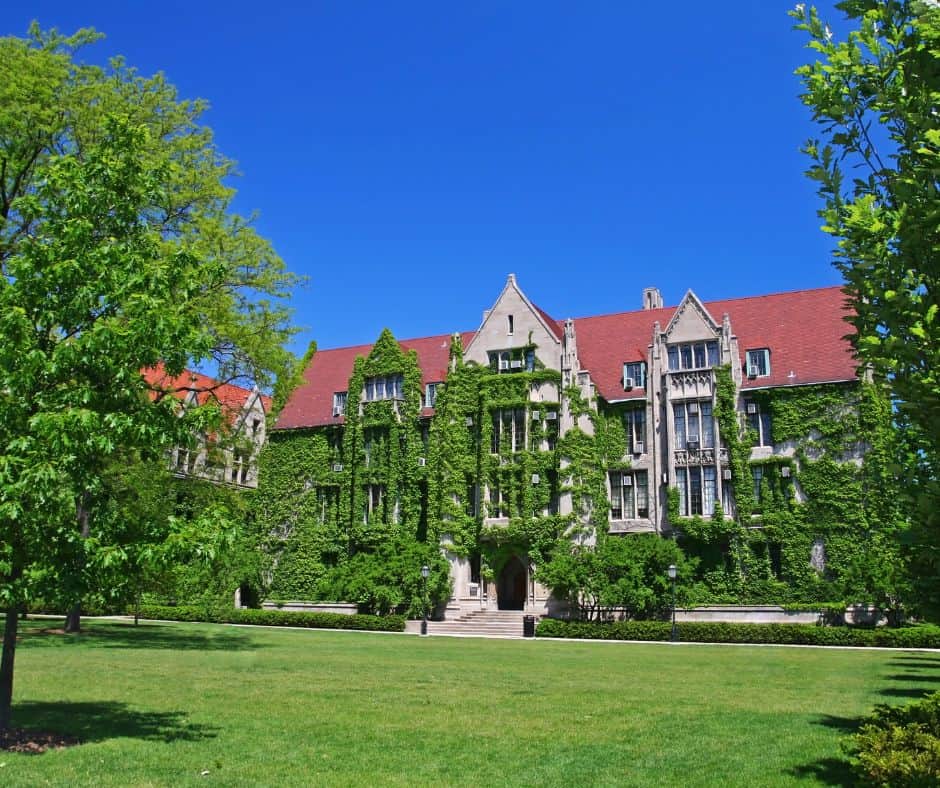
The University of Chicago stands out for its dedication to intellectual exploration and commitment to creating a challenging yet rewarding academic setting. This liberal arts college experience is enhanced by abundant research opportunities and a curriculum that emphasizes analytical thinking. For students eager to engage deeply with their studies while participating in enriching community activities, the University of Chicago provides a unique blend of academic intensity and personal growth. Its graduates are known for achieving strong post-graduation outcomes, including competitive median salaries six years after graduation, reflecting the long-term value of a University of Chicago education.
Private Liberal Arts Colleges with High Student Satisfaction
Here is a list of private liberal arts colleges with high student satisfaction:
Swarthmore College, a highly regarded private liberal arts college, is known for its unique education approach, combining academic excellence with a deeply supportive campus atmosphere. Students benefit from a curriculum that encourages interdisciplinary learning and collaboration, fostering a spirit of innovation. Swarthmore’s tight-knit community makes it an ideal environment for students seeking both academic challenge and personal connection.
Amherst College offers an exceptional blend of academic rigor and a strong sense of community. Students experience the benefits of small class sizes, allowing meaningful interactions with professors and peers. Beyond the classroom, the campus thrives with opportunities for leadership, cultural engagement, and extracurricular activities, creating a vibrant and inclusive student life that leaves a lasting impact.
Williams College is renowned for its emphasis on personalized attention and academic mentoring. With its small class sizes and dedicated faculty, students enjoy an intimate learning environment where their ideas and contributions are valued. The college’s focus on fostering intellectual growth, coupled with a variety of campus activities, ensures that students not only excel academically but also experience a fulfilling and connected campus experience.
Colleges with Great First-Year Experiences
For many, the transition to college is a defining moment, and institutions that prioritize the first-year experience set the stage for success. Programs designed to help new students adjust, such as specialized orientations and peer mentoring initiatives, are hallmarks of colleges with the happiest students. These resources ensure that first-year students feel welcome and supported as they navigate the challenges of starting college life. Support from parents can also play a crucial role in helping students adjust, providing emotional encouragement and strengthening family relationships during this important transition.
Academic advising and mentorship opportunities are equally important in shaping a positive first-year experience. Personalized guidance from faculty and staff helps students make informed decisions about their educational paths and career aspirations. These relationships, combined with a strong emphasis on community-building, create the best student life on campus, where every student feels valued and connected.
Campus events tailored explicitly to first-year students further foster a sense of belonging. Social mixers, club fairs, and team-building activities introduce students to their peers and the broader campus community. This emphasis on inclusion and engagement ensures that first-year students begin their journey confidently and enthusiastically.

Programs and Initiatives for First-Year Students
Programs like University 101 courses are instrumental in helping first-year students transition to the demands of college life. These courses offer practical skills, such as time management and study techniques, while also introducing students to campus traditions and resources. Such programs are a cornerstone of student life, ensuring that new students start on the right foot.
Freshman learning communities provide a supportive and inclusive environment for freshmen students to thrive. These communities often group students by interests or majors, allowing them to form close connections with peers who share similar goals. By integrating academic and social opportunities, these initiatives create a nurturing atmosphere where students can build relationships and succeed academically.
Orientation programs serve as an essential introduction to campus services, resources, and culture. These sessions emphasize student support by offering detailed guidance on navigating academic expectations, finding wellness resources, and connecting with student organizations. Through these comprehensive introductions, first-year students feel more prepared and empowered to begin their college journey. Surveys of first-year students often highlight the effectiveness of these initiatives in promoting satisfaction and engagement.
Colleges with High First-Year Student Satisfaction
Elon University stands out for its comprehensive first-year program that includes tailored academic advising and mentorship. These programs are available to students enrolling in the fall semester. First-year students are paired with advisors who guide them through the transition to college and help them explore their scholarly interests. At Elon, students report high levels of connection and preparedness, making the college a leader in fostering student confidence and success.
The University of South Carolina is another top-ranked school for first-year experiences, offering a welcoming and inclusive environment. Programs like freshman learning communities and peer mentoring ensure that students quickly find their place within the student body. By prioritizing inclusivity and engagement, the university creates a strong foundation for student satisfaction and long-term success.
Agnes Scott College offers a highly personalized approach to the first-year experience, making it a favorite among happy students. Its innovative programs are tailored to the needs of its undergraduate enrollment, including close faculty mentorship and opportunities for leadership development. Many students agree that these efforts make a significant difference in their college experience. This thoughtful attention to each student’s growth ensures a memorable and impactful start to their college career.

Colleges with Strong Student Body Engagement
Colleges emphasizing extracurricular involvement provide students meaningful opportunities to connect and thrive. From vibrant student organizations to creative arts groups and volunteer initiatives, these institutions offer diverse pathways for students to pursue their passions and develop leadership skills. Students live vibrant, engaged lives through participation in these activities, actively shaping the campus environment and culture. This level of engagement not only enriches campus culture but also ensures students find a sense of belonging.
Campus events and activities are central to fostering a connected community. Regular social gatherings, cultural festivals, and networking opportunities unite students, creating shared experiences that deepen relationships. These activities are a hallmark of colleges with the happiest students, where campus life is designed to promote collaboration, inclusivity, and personal growth.
Equally important is the support available for student wellness. Access to counseling and student mental health services ensures that students can navigate challenges in a safe and supportive environment. Colleges prioritizing mental well-being demonstrate a commitment to holistic student engagement, helping students succeed academically and personally.
Factors Contributing to Student Engagement
Opportunities for leadership within extracurricular clubs are a vital component of student engagement. These clubs provide platforms for students to take initiative, collaborate on projects, and make meaningful contributions to campus life. Through these experiences, students develop valuable skills that extend beyond their academic pursuits.
Athletic teams and recreational sports also play a significant role in promoting connection among students. Whether participating in intramurals or cheering for their school during games, students bond through a shared enthusiasm for sports and fitness. This sense of camaraderie strengthens campus spirit and fosters lifelong friendships.
For students interested in social networking and philanthropy, Greek organizations offer unique avenues for involvement. Fraternities and sororities provide a blend of leadership opportunities, academic support, and community service projects that enhance the overall student experience. Together, these factors create a dynamic environment where students feel empowered and engaged.

Colleges with High Student Body Satisfaction
Vanderbilt University is celebrated for its strong sense of community and wide-ranging opportunities for student engagement. Located in the middle of Nashville, the campus provides students with direct access to the city’s vibrant culture and urban amenities. The appeal of a city-based campus experience attracts students seeking urban opportunities alongside academic excellence. The university goes beyond academic excellence by fostering a supportive atmosphere where students thrive in academics, extracurriculars, and campus life. This inclusive approach ensures a consistently engaged student body that values both collaboration and individual growth.
The University of Florida boasts an extensive network of student organizations and campus initiatives aimed at cultivating a vibrant and inclusive environment. Through its commitment to leadership development, social activities, and wellness programs, the university provides a well-rounded experience that contributes to a consistently positive student experience for all students.
At the University of Georgia, a lively campus culture creates countless opportunities for student involvement. From spirited athletic events to impactful service initiatives, the university offers a rich environment for connection and exploration. This dedication to fostering a robust student life has made it a leader in student satisfaction and a destination for students seeking a well-balanced college experience.
Liberal Arts Colleges Located in the US
US-based liberal arts colleges across the United States offer unique campus environments that enrich the student experience. Many of these institutions are nestled in scenic settings, from rolling hills to coastal views, creating inspiring backdrops for learning and personal growth. Their intimate campuses often prioritize connections, fostering the sense of belonging that defines colleges with the happiest students.
Opportunities for outdoor recreation add another dimension to life at these colleges. Whether hiking nearby trails, kayaking on pristine lakes, or enjoying winter sports, students have ample chances to explore the natural beauty surrounding their campuses. These experiences often lead to greater well-being and a balanced approach to both academic and personal pursuits.
Cultural and artistic events further enhance the liberal arts college experience. Many campuses host regular performances, gallery exhibitions, and lectures from prominent figures, allowing students to engage with the arts and ideas in meaningful ways. This vibrant blend of outdoor adventure and cultural enrichment ensures that liberal arts colleges remain dynamic spaces for exploration and discovery.
Colleges with Unique Campus Environments
Pepperdine University offers a breathtaking oceanfront campus in Malibu, California, where students study against the backdrop of the Pacific Ocean. The stunning setting enhances student well-being, providing opportunities for reflection and recreation. Students love the opportunities for outdoor recreation and reflection that the campus provides. This balance of natural beauty and academic rigor makes Pepperdine a standout among colleges with the happiest students.
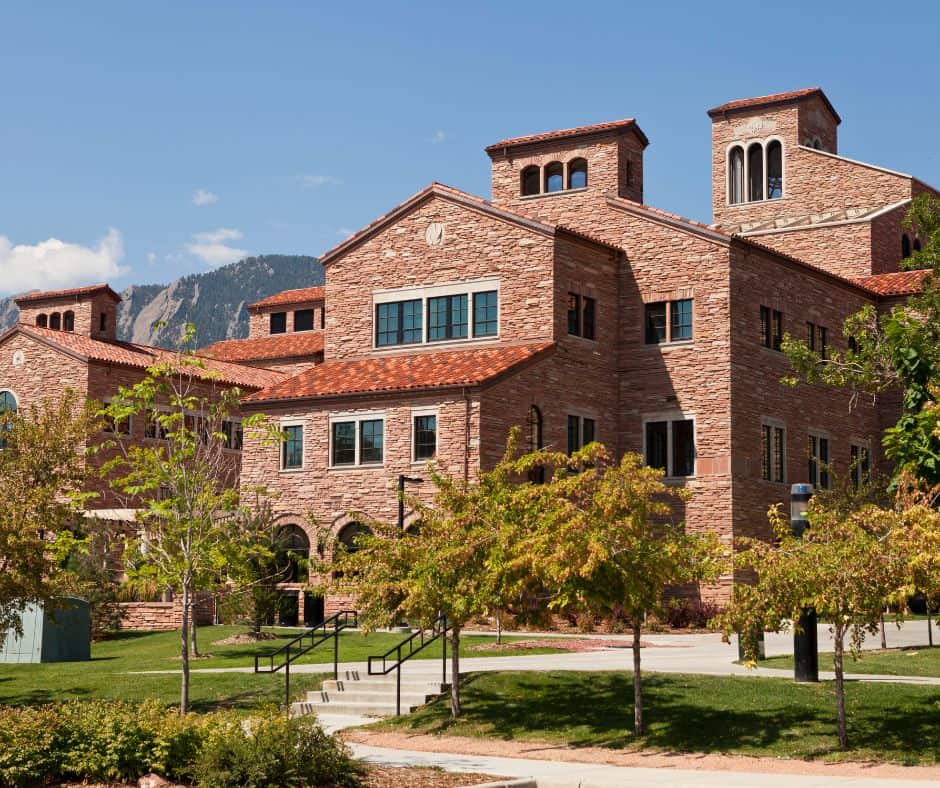
The University of Colorado-Boulder is celebrated for its picturesque campus in the foothills of the Rocky Mountains. Students here benefit from the perfect blend of a vibrant academic atmosphere and access to outdoor adventures like hiking, skiing, and mountain biking. The campus fosters a spirit of exploration that extends beyond the classroom, encouraging students to engage fully with their surroundings.
Kenyon College, located in rural Ohio, offers a peaceful and secluded campus that is ideal for focused study and community connection. The campus’s charming architecture, featuring classic white columns and buildings, and serene landscapes create an inviting atmosphere that inspires creativity and collaboration. This combination of natural tranquility and close-knit community life ensures that students thrive academically and personally.
Auburn University is another example of a college with a positive campus environment. Known for its welcoming community and school spirit, Auburn offers students a supportive atmosphere where they can build lasting relationships and enjoy a vibrant campus life.
Choosing the Right College
Selecting the right institution can feel like a daunting task, but understanding the diverse options available helps students make an informed decision. Whether considering a public liberal arts college, private research university, or anything in between, students should focus on finding a school that aligns with their academic and personal aspirations. Some colleges, while not officially part of the Ivy League, offer similar selectivity, academic reputation, and enriching student experiences. Beyond academic offerings, the campus culture, location, and extracurricular opportunities significantly shape the overall college experience.
Financial aid availability and long-term affordability are also critical when evaluating potential colleges. Schools that invest in making education accessible often attract diverse, thriving student populations, further enriching the campus environment. Researching institutions known for being colleges with the happiest students is a great starting point for those looking to balance academic success with personal fulfillment. National rankings can also help students identify colleges recognized across the nation for their commitment to student happiness and well-being. Choosing the right college can positively impact students’ lives for years to come.
Tools and Guides for College Selection
Several resources make the college selection process more manageable for students. Rankings from sites like US News & World Report provide a broad overview of top-performing schools, while personalized reviews from current students offer valuable insights into campus culture and day-to-day life. These tools give prospective students a clearer picture of what they can expect from each institution.
Campus visit guides, virtual tours, and online comparison tools are essential for narrowing down options. These resources ensure students can explore colleges in-depth, even from a distance, helping them determine which schools are the best fit. By leveraging these tools, students can confidently select a college that aligns with their goals and values.


Good blog! Did you look at any HBCUs? I’m curious, because I graduated from one, and it was definitely some of the happiest years of my life. Small classroom sizes, a sense of family, and organizations for just about anyone. The schools you listed were great, but I’d love to see more about HBCUs. Thanks for all of your information.
You missed Dartmouth college for academics, community engagement, first-year programs. I guarantee you’ll find the happiest students there.